Introduction
Clothing is far more than fabric covering skin. It acts as a social signal, a psychological cue, and a form of nonverbal communication — influencing how we see ourselves and how others see us. Psychological research increasingly demonstrates that what we wear can affect our mindset, behavior, self‑esteem, and social outcomes. This article digs into that science — revealing how clothing affects confidence, perception, dating success, interview performance, and self‑identity — and offers practical outfit frameworks you can adopt to harness the power of dress.
Why Clothing Matters: The Psychology Behind Dress
The Social Psychology of Dress
- The scholarly field sometimes called “social psychology of dress” studies how clothing functions as a stimulus that affects both self-perception and others’ perceptions. Researchers examine how dress influences attributions, behavior, and identity.
- Clothing is defined broadly: not just garments but any body modifications or “supplements” (accessories, style choices) that contribute to a person’s outward appearance and thus social communication.
“Enclothed Cognition” — Clothes That Change Your Mindset
- A landmark concept is enclothed cognition: the idea that clothing can influence the wearer’s psychological processes, not just how others see them. In a seminal experiment, participants wearing a white lab coat described as a doctor’s coat performed better on attention‑related tasks than those wearing the same coat but told it was an artist’s coat or those wearing regular clothes. That boost only occurred when participants actually wore the coat — underscoring that clothing’s symbolic meaning matters.
- This demonstrates that clothes can prime abstract concepts (e.g. intelligence, competence) and influence cognitive performance, decision‑making, and self-perception.
In short: clothing isn’t superficial — it can shape how we think and behave internally.
Clothing & Confidence / Self‑Perception
Empirical Findings
- Throughout fashion and psychological research, wearing clothes that fit well, match one’s style, and feel comfortable tends to boost self‑esteem, reduce self-consciousness, and improve comfort — which in turn positively affects mood and mental well‑being.
- Conversely, ill‑fitting, uncomfortable clothes or outfits that clash with one’s self‑image may lead to unease, reduced confidence, or even negative body‑related feelings.
Why It Works (Mechanisms)
- Clothing can reinforce a sense of identity and authenticity. When clothes align with one’s personal style, they reaffirm self‑expression and individuality — increasing internal confidence.
- Clothes with symbolic meaning (e.g. a “power suit,” a professional blazer, a clean polished shoe) can trigger a psychological shift: you subconsciously adopt the traits associated with those clothes (competence, seriousness, professionalism).
- This boost in confidence often yields real‑world effects: improved posture, more assertive behavior, greater ease in social or professional settings.
So, when you feel good in your outfit, your body and mind respond — resulting in greater self‑assurance and presence.
How Clothing Shapes Others’ Perceptions: First Impressions & Social Outcomes
Impact on Perceived Status, Competence, Tendencies
- Studies and social psychology reviews show that dress status (formal, stylish, neat) consistently influences how observers judge others’ personality traits, credibility, competence, and social value. People in formal attire are often perceived as higher in status, more competent, more serious, and sometimes less affiliative compared to those in casual wear.
- In dating contexts, clothing attractiveness — which includes stylishness, grooming, fit, and cues of effort — influences how attractive or desirable someone is perceived. If you appear well‑groomed, put-together, and recent effort into your appearance, that sends signals of self-respect, care, and stability.
Clothing as Social Communication — Expressing Identity, Intentions, Values
- Clothing serves as a language of its own — signaling who we are, what we value, and how we want to be perceived. Through color, style, formality, and combination of garments and accessories, you communicate social signals (status, professionalism, creativity, approachability) before you even speak.
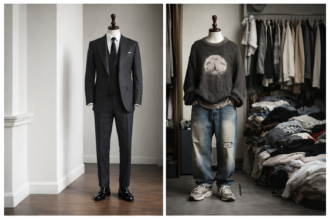
- For instance, someone wearing a crisp, classic suit may signal professionalism and reliability; someone in creative, expressive clothing may signal individuality, openness, or artistic sensibility; someone dressed modestly and neatly may signal approachability or seriousness.
Thus, dress becomes a form of silent communication, influencing first impressions, social dynamics, and perceived identity.
Clothing’s Role in Dating Success & Social Attraction
Though the research base is more limited compared to workplace or self‑perception studies, there is evidence and scholarly insight supporting clothing’s influence on romantic interest and social attraction:
- Studies testing “clothing attractiveness” show that people wearing more attractive outfits are perceived more favorably — potentially enhancing their dating prospects. Clothing that signals confidence, care, style, and good grooming can communicate that someone values themselves and others, which often corresponds to social value and attractiveness in romantic or social settings.
- Moreover, when clothing aligns with one’s identity and makes one feel confident, that internal state often translates into more authentic, relaxed, and attractive social behavior — a powerful multiplier for social/dating success.
In practice: if you dress in a way that feels good to you and signals effort and personal style — especially for a date — you’re more likely to be perceived as attractive, confident, and genuine.

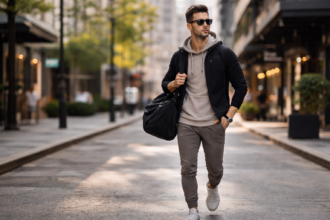
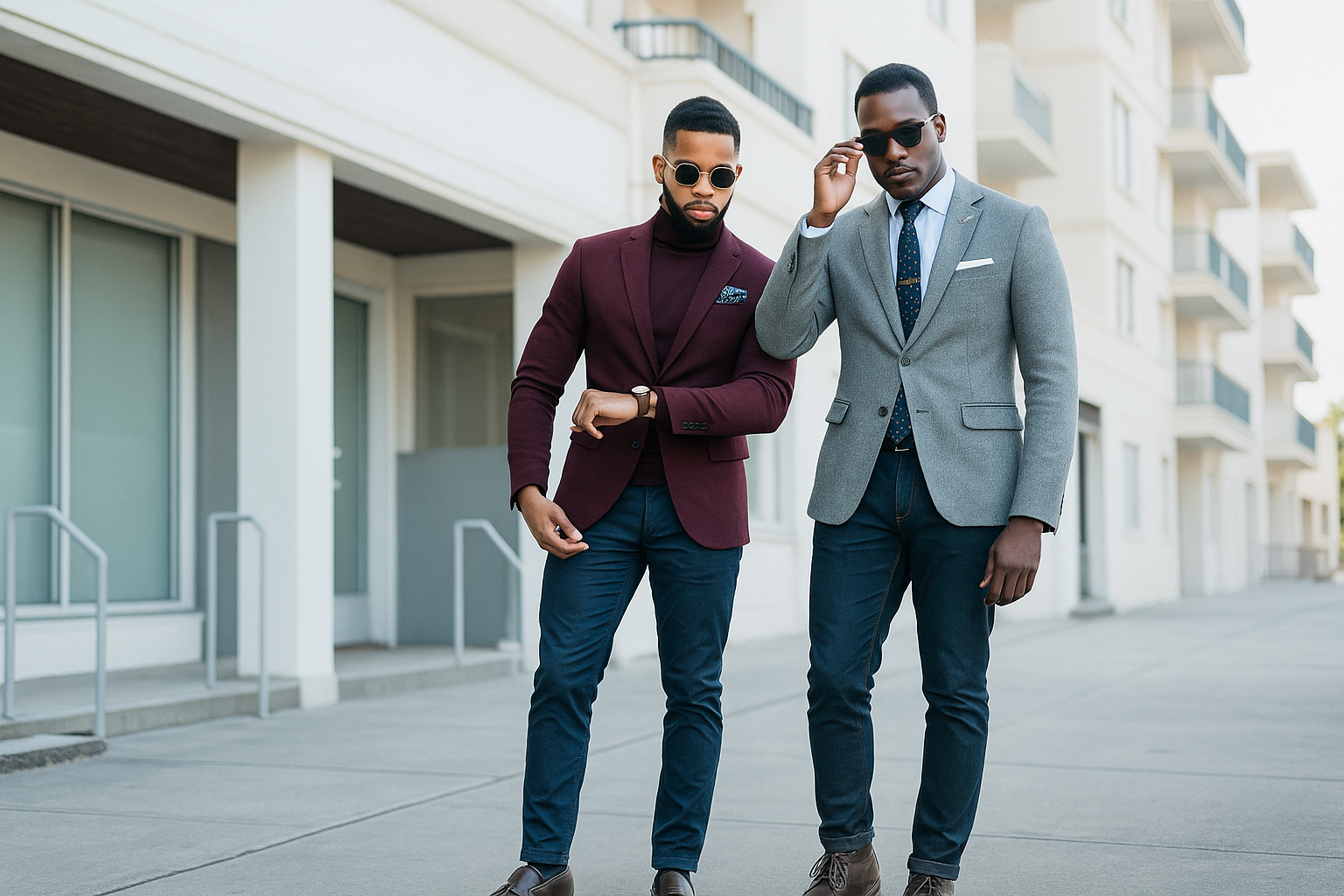
These images show examples of outfits that tend to strike the balance between style, comfort, and approachability — useful inspiration for social and dating situations.
Clothing and Performance: Job Interviews, Work, Decision‑Making
Formal Attire Improving Cognitive Performance and Professional Impression
- Research suggests that wearing formal clothes changes not just how others perceive you — but also how you think: people in formal attire described actions more abstractly, showed broader thinking, and reportedly engaged in more rational and competent behavior.
- Additionally, in career advice contexts, wearing clothes that are neat, well-fitted, and appropriate for the workplace helps interviewees feel confident, comfortable, and prepared — which translates into better communication, composure, and likelihood to make a good impression.
First Impressions in Interviews & Professional Settings
- Since others often judge quickly based on appearance, clothing becomes a form of instant credibility and impression management. Formal or business‑casual outfits — such as a blazer, button‑up shirt, tailored pants, polished shoes — signal professionalism, seriousness, and respect for the opportunity.
- Many career experts recommend selecting attire that fits the company culture: for corporate or conservative workplaces, a suit or blazer + dress shirt; for more casual or creative workplaces, business‑casual or smart‑casual — but always clean, pressed, and appropriate. Indeed+2InStyle+2
Here are some outfit frameworks for interviews, based on common recommendations

8
| Scenario / Goal | Outfit Framework / Guidelines |
|---|---|
| Job Interview / Professional Setting | Go for formal or business‑casual attire: well‑fitted suit or blazer, dress shirt or blouse, tailored pants/skirt, polished shoes. Aim for clean, neutral or professional colors. Ensure clothes fit properly and are comfortable — this aligns with enclothed cognition effects and positive observer perceptions. Indeed+2BusinessWomen+2 |
| First Date / Social / Dating Setting | Choose clothing that reflects your personal style + effort — stylish but comfortable, well-fitting, clean and appropriate for the venue. Grooming and coordination matter. Add subtle touches that show personality (color choice, accessories) to express identity and attractiveness. |
| Confidence Boost / Everyday Self‑Esteem | Wear outfits that feel authentic to your identity and comfort — clothes that you like, that fit well, and make you feel good. Avoid overly tight/uncomfortable garments. Prioritize fit, comfort, and colors/styles that you feel represent “you.” |
| Creative / Cognitive Work / Big Picture Thinking | Opt for formal or semi-formal attire if you need focus or abstract thinking (e.g. business meetings, creative brainstorming). Formal clothes can help shift mindset toward competence, seriousness, and abstract thinking. |
| Expressing Identity / Personal Style / Well‑Being | Build a “core wardrobe” around clothes that match your values, personality, and lifestyle — pieces that feel authentic. Use clothing as a form of self‑expression. This builds a stable sense of identity and contributes to self-acceptance. |
Clothing, Self‑Identity & Mental Well‑Being
- Clothing plays a role in shaping how we view ourselves — our identity, values, and self‑concept. When we dress in ways that align with our personality and values, it reinforces a sense of authenticity.
- That alignment can reduce social anxiety and improve mental well‑being — making us feel more at ease, accepted, and true to ourselves.
- On the flip side: fashion involvement is not always purely positive. Overemphasis on external appearance (e.g. dressing purely to impress others) can lead to issues like self‑objectification, body dissatisfaction, or relying too much on validation from outside.
- So clothing’s psychological impact is complex — it can empower self-expression and confidence but, depending on motivations and internal attitudes, may also trigger issues around body image or self‑worth.
Cautions & Nuances: When Clothing Effects Can Be Complex
- Clothing’s positive impact is often moderate. For example, in studies about fashion involvement and self‑esteem, correlations may be modest — suggesting that while clothing helps, it’s not a magic fix.
- There is a risk of self-objectification — focusing too much on outward appearance can lead to body shame or unhealthy self-image, especially if clothes are used to mask insecurities rather than express identity.
- Psychological effects depend not only on the clothes but on the wearer’s beliefs about those clothes. As shown in enclothed cognition research, simply wearing a garment isn’t enough — you must believe in its symbolic meaning for the psychological boost to occur.
- Social and cultural context matters: what is considered “formal,” “attractive,” or “appropriate” varies by culture, gender norms, and setting. Clothing that boosts confidence or perception in one context may not have the same effect in another.
Conclusion
Clothing is far more than superficial decoration. It’s a psychological tool — a medium of self‑expression, a communicator to others, and a subtle shaper of our thoughts, feelings, and behavior. Research from social psychology and cognitive science shows that our clothing choices can influence our self‑confidence, how others perceive us, our mental state, and even performance and social outcomes.
By understanding and harnessing this power, we can use clothing intentionally: to feel more confident, present ourselves better in professional or social situations, express our identity authentically, and boost our mental well‑being. Yet, we must also remain mindful — balancing style with comfort, authenticity, and self-acceptance, and avoiding overemphasis on appearance alone.
Affiliate Disclosure: As an Amazon Associate, I earn from qualifying purchases. This post contains affiliate links, which means if you click and make a purchase, I may receive a small commission at no extra cost to you. I only recommend products I personally use or believe add real value. Thank you for supporting The Right Man Mindset.