Protein gets talked about everywhere in fitness and nutrition circles—but how much protein men actually need isn’t just a guess. It’s based on real science and recommendations from respected organizations and research. Check out this men’s protein guide.
Below, we’ll break down:
✅ What protein does in the body
✅ How much protein men need (and why it varies)
✅ Protein timing and distribution
✅ Best quality sources
✅ Practical tips you can use today
Before we dive in, let’s hit the standard disclaimer.
Medical & Nutrition Disclaimer
The information in this article is educational and does not constitute medical or dietary advice. Always consult a qualified healthcare provider, dietitian, or physician before making changes to your eating or exercise routines—especially if you have health conditions like kidney disease, diabetes, or are taking medications.
Why Protein Matters for Men
Protein is made up of amino acids, the building blocks your body needs for:
- Muscle repair & growth
- Hormone production
- Enzyme formation
- Immune defense
- Hair, skin, and nail health
Your body doesn’t store amino acids the way it does fat or carbs, so you need a steady supply from food. For active men—especially those strength training or trying to build muscle—protein isn’t just helpful, it’s essential.
How Much Protein Do Men Really Need?
1. The Minimum: Preventing Deficiency
Most health authorities recommend around 0.8 grams of protein per kilogram of body weight per day to prevent deficiency in sedentary adults. That’s about:
- ~56g/day for a 154 lb (70 kg) man
But this is a baseline – not a performance or muscle‑building target. See the International Society of Sports Nutrition Position Stand for more details.
👉 Newer guidelines in the U.S. recommend even higher targets—about 1.2–1.6 g/kg/day for optimal health and muscle support. Learn more from AP News.
2. For Muscle Growth & Training
The consensus from the International Society of Sports Nutrition (ISSN)—a leading authority on protein and exercise science—is:
✅ 1.4–2.0 grams of protein per kg of body weight per day is appropriate for most exercising adults aiming to build muscle and maintain strength. See the full study here.
For example:
| Body Weight | Protein Daily Range (g) |
|---|---|
| 70 kg (154 lb) | ~98–140g |
| 90 kg (198 lb) | ~126–180g |
Studies show that protein intakes in this range better support muscle protein synthesis and body composition improvements than the old 0.8 g/kg standard. Read more here.
Does Timing Protein Matter?
There’s been a lot of hype around the idea of a strict “anabolic window” shortly after workouts—but the evidence is more nuanced.
What the Science Shows
- Protein intake around training can be beneficial, but it doesn’t have to be within 30 minutes.
- Research shows muscle protein synthesis remains elevated for many hours after exercise. See CalcFFMI on protein requirements.
- Total daily protein and even distribution across meals matters more than perfect timing. (CalcFFMI)
👉 Practical takeaway: aim to get protein in before and after workouts when possible, but don’t stress if timing shifts by an hour or two.
Quality of Protein: What Counts
Not all protein sources are created equal. The best ones are “complete proteins” — meaning they contain all essential amino acids your body cannot make on its own.
Top complete protein sources include:
- Lean meats (chicken, turkey, beef)
- Fish and seafood
- Eggs
- Dairy proteins (Greek yogurt, milk, cottage cheese)
- Soy products (tofu, tempeh)
Research also shows that certain amino acids — especially leucine — play a key role in stimulating muscle protein synthesis. Foods high in leucine (like whey, eggs, and lean meats) can help your body use protein more efficiently. (CalcFFMI on protein requirements)
Protein Per Meal: Why Distribution Matters
Getting enough protein at each meal helps sustain muscle-building signals:
- Experts suggest 20–40 grams per meal for most adults to maximize muscle protein synthesis. (ISSN Study)
- Spreading protein evenly throughout the day (breakfast, lunch, dinner, snacks) is more effective than front-loading at one meal. (ISSN Study)
This approach also benefits older adults in preserving muscle mass as they age. (Cambridge Study)
Can Too Much Protein Be Bad?
In healthy individuals, protein up to about 2 g/kg/day is generally safe. (Live Science Guide)
However:
❗ Extremely high intakes (e.g., >3 g/kg/day) haven’t been shown to add extra muscle benefits and may increase strain on certain metabolic systems, especially if health conditions are present. (Live Science Guide)
Always talk to a healthcare provider before consuming very high protein diets, especially if you have kidney issues or metabolic conditions.
Practical Tips for Men’s Protein Success
✔ Hit Your Daily Target
Calculate your protein target based on activity level:
- Sedentary men: ~0.8–1.0 g/kg/day
- Active/strength-training: ~1.4–2.0 g/kg/day
- Calorie deficit or older: towards the higher end of the range
✔ Spread Protein Throughout the Day
Aim for 20–40g at breakfast, lunch, and dinner — plus high-protein snacks.
✔ Choose Whole Foods First
Lean meats, fish, eggs, dairy, and plant proteins provide nutrients beyond protein.
✔ Consider Supplements as a Backup
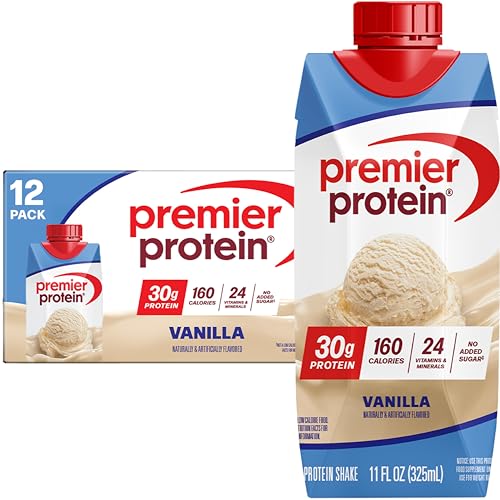
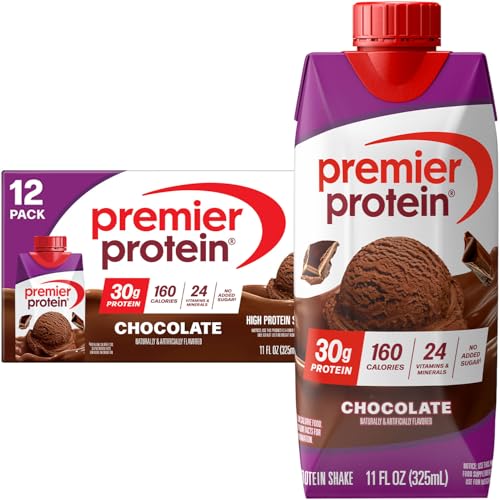
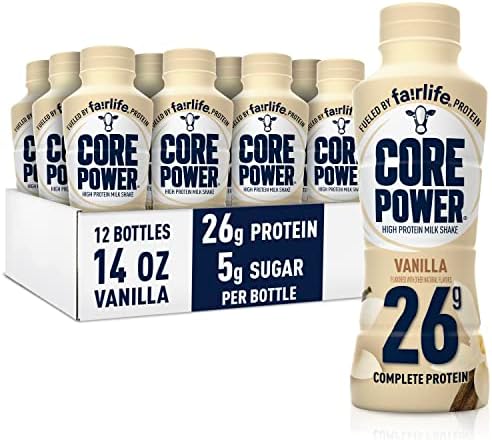
Protein powder is convenient but not essential if you can hit daily targets with food.
Summary: What Every Man Should Know
✅ Protein is key for muscle repair, strength, and overall health.
✅ Most men benefit from more than the minimum 0.8 g/kg standard.
✅ A range of 1.4–2.0 g/kg/day is ideal for active men focused on performance. (ISSN Study)
✅ Meal timing matters somewhat, but total daily intake is more important. (CalcFFMI)
✅ Spread protein across meals and focus on high-quality sources.
Affiliate Disclosure: As an Amazon Associate, I earn from qualifying purchases. This post contains affiliate links, which means if you click and make a purchase, I may receive a small commission at no extra cost to you. I only recommend products I personally use or believe add real value. Thank you for supporting The Right Man Mindset.