SEO Title: Style Psychology for Men: What Your Clothes Say About You in 2026
Meta Description: Discover how style psychology shapes your personal brand in 2026. Learn what your clothing communicates about confidence, status, and identity — and how to dress with intention.
Slug: style-psychology-personal-brand-2026
Primary Keywords: style psychology for men, personal brand style, what clothes say about you, men’s fashion psychology 2026
Secondary Keywords: men’s personal branding, confidence and clothing, social perception fashion, modern men’s style
In 2026, your clothing is no longer just about looking good — it’s about communicating who you are before you speak.
Like it or not, people read you instantly. In business meetings, on dates, at the gym, on social media — your wardrobe sends signals about status, discipline, self-awareness, creativity, competence, and even emotional stability.
This isn’t fluff. It’s psychology.
Research published in the Journal of Experimental Social Psychology introduced the concept of “enclothed cognition” — the idea that what you wear influences both how others perceive you and how you perceive yourself.
In other words: your clothes shape your identity.
If you want to build a strong personal brand as a modern man, you need to understand how style psychology works — and how to use it strategically.
Let’s break it down.
1. The 7-Second Judgment Rule
Studies consistently show people form first impressions in seconds. While personality matters long-term, appearance shapes the initial framework.
According to research highlighted by Harvard Business Review, people evaluate competence and confidence based on nonverbal cues almost immediately. Clothing plays a major role in that snap judgment.
Here’s what people subconsciously scan for:
- Fit (signals discipline and self-respect)
- Grooming (signals order and awareness)
- Color choices (signals mood and intent)
- Brand visibility (signals status orientation)
- Fabric quality (signals standards and attention to detail)
You don’t get to opt out of this process. The only choice you have is whether you control it.
2. Clothing as a Status Signal
Humans are wired to detect hierarchy. We evaluate positioning constantly — in subtle, non-conscious ways.
Your clothes communicate:
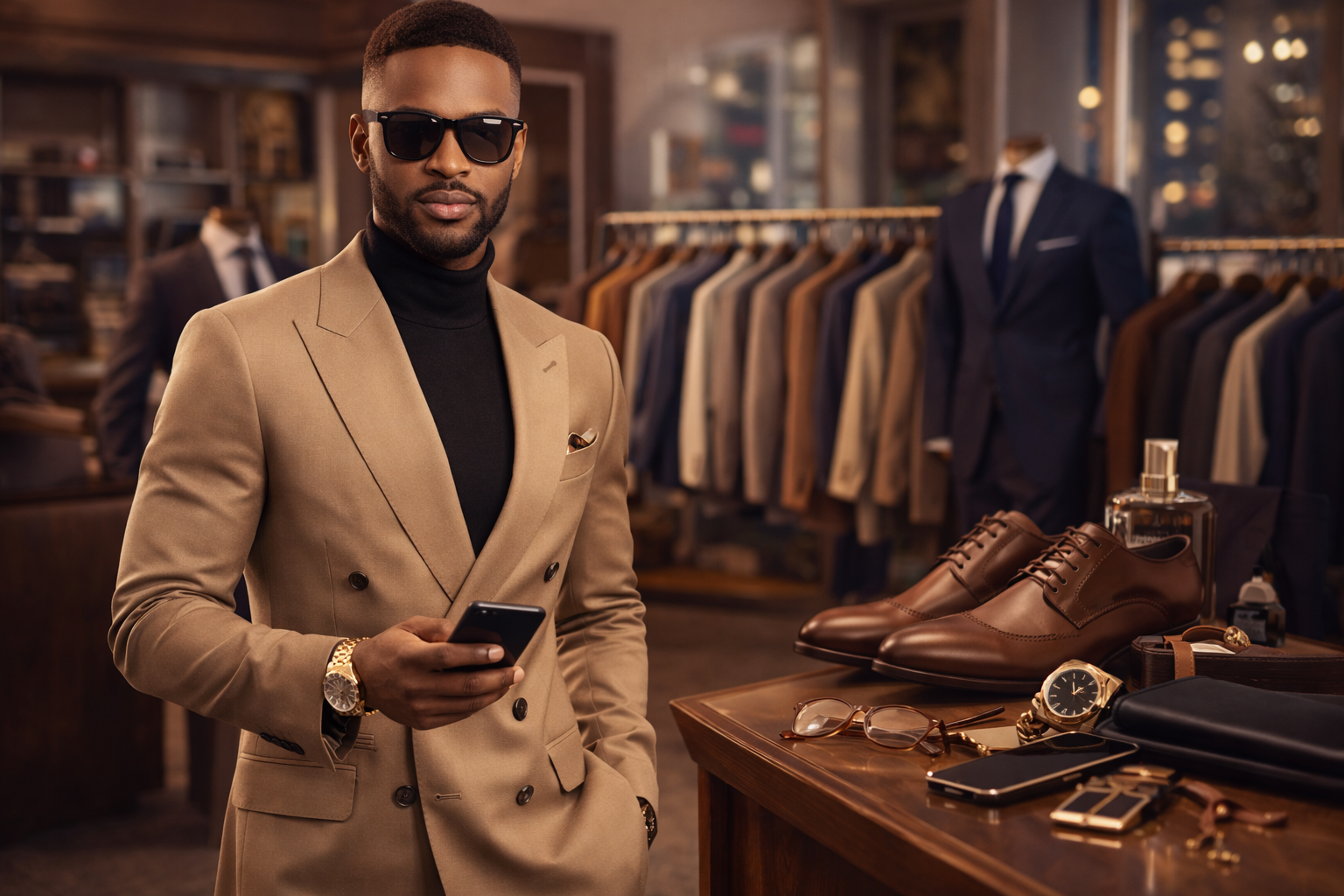
- Authority (structured tailoring, darker tones)
- Creativity (textures, layered pieces, intentional contrast)
- Athletic dominance (fitted athleisure, posture, body composition)
- Minimalist power (clean lines, neutral palettes)
- Luxury signaling (materials over logos)
In 2026, overt logo flexing is fading. The new status symbol is taste.
Think:
- Tailored trousers over ripped denim
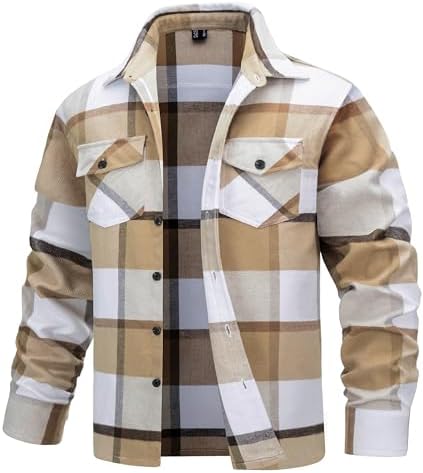
- Structured overshirts over loud graphic tees
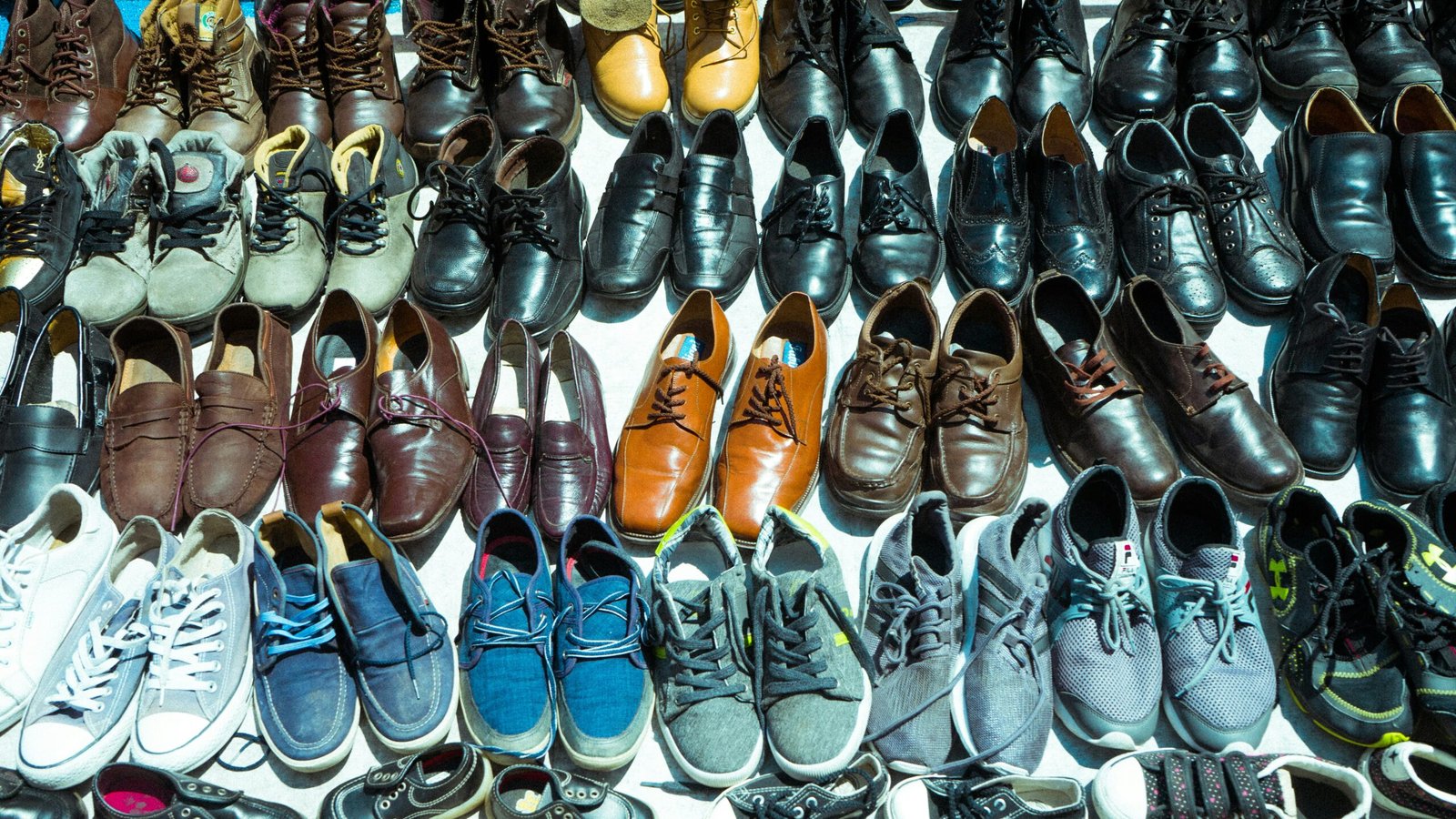
- Leather sneakers over bulky hype drops
Modern prestige is quiet, intentional, and controlled.
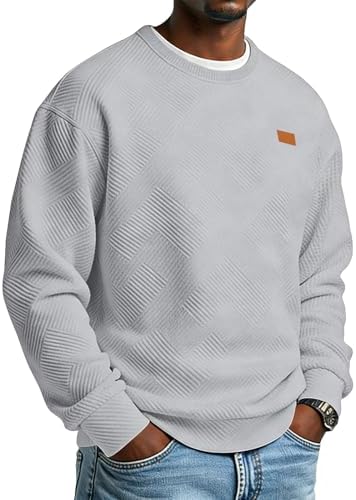
3. The Psychology of Fit: Why Tailoring Changes Everything
Nothing affects perception more than fit.
Loose and shapeless clothing communicates:
- Low self-awareness
- Comfort-first mindset
- Possible insecurity
Overly tight clothing communicates:
- Overcompensation
- Attention-seeking
- Status insecurity
Well-fitted clothing communicates:
- Discipline
- Self-respect
- Composure
- Physical awareness
This aligns with the concept of self-perception theory studied at institutions like Stanford University, which suggests we interpret our own behaviors (including what we wear) as signals of identity.
If you dress sharp, you start acting sharp.
If you dress sloppy, you subconsciously lower your standard.
Your wardrobe is behavioral conditioning.
4. Color Psychology: The Silent Communicator
Color choices trigger emotional responses before logic kicks in.
Here’s how key colors typically read in men’s style:
- Black: Authority, mystery, dominance
- Navy: Competence, trust, stability
- Grey: Neutral, balanced, calm
- White: Cleanliness, precision
- Olive/earth tones: Strength, grounded masculinity
- Burgundy: Subtle confidence
- Bright colors: Playful, extroverted, high-energy
If your goal is leadership or attraction, darker neutrals with intentional contrast outperform chaotic palettes.
2026 style leans heavily into:
- Monochromatic layering
- Earth-tone minimalism
- Structured silhouettes
Color should amplify your intent — not distract from it.
5. Style and Identity: Who Are You Signaling?
Your wardrobe answers three subconscious questions for people:
- Is he disciplined?
- Is he socially calibrated?
- Does he understand context?
For example:
The Gym-Only Identity
If you dress exclusively in athletic wear outside athletic environments, you signal one-dimensionality.
The Overly Flashy Identity
If every piece screams brand and price tag, it signals insecurity more than wealth.
The Contextually Aware Man
He adjusts without losing identity. Elevated casual at brunch. Sharp minimal at work. Relaxed but structured on weekends.
Personal branding is about consistency without rigidity.
6. Digital Style: Your Online Clothing Matters Too
Your Instagram profile picture.
Your LinkedIn headshot.
Your YouTube thumbnails.
All of it communicates.
On platforms like Instagram, visuals determine perception before captions do.
Ask yourself:
- Do your photos look intentional?
- Is your grooming sharp?
- Do you look composed or chaotic?
- Does your clothing match your claimed identity?
If you post fitness content but look sloppy, credibility drops.
If you talk leadership but dress like you rolled out of bed, trust erodes.
Your digital presence amplifies your physical presentation.
7. The Rise of “Intentional Masculinity” in 2026
There’s a noticeable cultural shift happening.
Men are moving away from:
- Loud flex culture
- Hyper-trend chasing
- Disposable fashion
And toward:
- Longevity
- Craftsmanship
- Fit precision
- Personal uniform building
This aligns with the growing interest in sustainable and slow fashion trends discussed across platforms like Business of Fashion (https://www.businessoffashion.com).
Intentional style says:
“I know who I am. I don’t need validation.”
That energy reads stronger than any logo ever could.
8. The Confidence Feedback Loop
There’s hard psychology behind this.
When you wear clothing associated with competence, you:
- Sit straighter
- Speak more clearly
- Take up more space
- Make stronger eye contact
This is part of the enclothed cognition effect referenced in the Journal of Experimental Social Psychology.
Your clothes don’t just change how others see you.
They change how you act.
That creates a feedback loop:
Dress sharp → feel sharp → act sharp → get better reactions → reinforce identity.
Style is leverage.
9. How to Build a Personal Brand Through Clothing
Here’s a practical framework:
Step 1: Define Your Core Identity
Are you:
- The disciplined builder?
- The creative entrepreneur?
- The grounded family leader?
- The performance-focused athlete?
Clarity first. Clothing second.
Step 2: Choose a Signature Silhouette
Examples:
- Slim dark denim + structured jacket
- Tailored trousers + knit polo
- Fitted tee + minimalist sneakers
- Overshirt + neutral layers
Repetition builds recognition.
Step 3: Upgrade Fabric Quality
Swap:
- Thin tees → heavyweight cotton
- Polyester blends → natural fibers
- Cheap shoes → leather or suede
Quality reads subconsciously.
Step 4: Eliminate Visual Noise
Remove:
- Excess logos
- Worn-out sneakers
- Baggy fits
- Wrinkled fabrics
Clean lines = clear identity.
Step 5: Align Grooming with Style
Haircut cadence.
Beard discipline.
Skincare consistency.
Clothing without grooming alignment collapses the effect.
10. Style Mistakes That Undermine Your Brand
- Dressing for trends instead of body type
- Wearing expensive pieces poorly styled
- Ignoring tailoring
- Mixing too many aesthetics
- Not dressing up when the occasion requires it
The strongest men understand calibration.
They don’t overdress to impress.
They dress appropriately to command.
Final Thought: Your Wardrobe Is a Leadership Tool
In 2026, personal branding isn’t optional.
Whether you’re building a business, attracting a partner, leading a family, or leveling up socially — perception matters.
Style psychology isn’t about vanity.
It’s about alignment.
Your clothing should reflect:
- Discipline
- Intentionality
- Emotional control
- Context awareness
- Quiet confidence
When your outer presentation matches your internal standards, people feel it.
And when you feel it, you move differently.
That’s the real power of style.
Affiliate Disclosure: As an Amazon Associate, I earn from qualifying purchases. This post contains affiliate links, which means if you click and make a purchase, I may receive a small commission at no extra cost to you. I only recommend products I personally use or believe add real value. Thank you for supporting The Right Man Mindset.