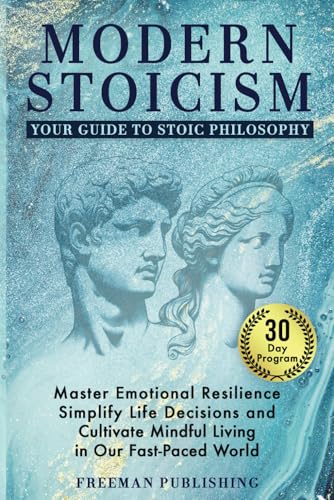

Understanding Stoicism: A Brief Overview
Stoicism is an ancient Greek philosophy that emerged in Athens in the early 3rd century BC. It was founded by Zeno of Citium and later developed by notable figures such as Seneca and Marcus Aurelius. At its core, Stoicism teaches individuals how to navigate life’s challenges and uncertainties with resilience and rationality. The philosophy emphasizes the importance of focusing on what one can control while accepting what one cannot change, thereby fostering emotional stability and tranquility.
The central tenet of Stoicism is the dichotomy of control, which delineates between events that lie within our realm of influence and those that do not. This principle encourages practitioners to concentrate their efforts on their own thoughts, actions, and reactions instead of external circumstances. By adopting this mindset, individuals can cultivate a sense of empowerment, reducing stress and anxiety caused by external pressures.
Key Stoic philosophers contributed significantly to the development of these ideas. Zeno of Citium, regarded as the originator of Stoicism, proposed that virtue is the highest good and that living in accordance with nature is essential for a fulfilled life. Seneca, a Roman statesman and philosopher, expanded upon these teachings by emphasizing the importance of reason and the practice of self-reflection. His writings provide practical advice for managing emotions and confronting adversity. Marcus Aurelius, the Roman Emperor, articulated Stoic ideals through his personal writings, particularly in his work “Meditations.” He highlighted the value of mindfulness and the necessity of accepting life’s unpredictability.
Overall, Stoicism equips individuals with the tools to maintain mental clarity and emotional resilience, making it a timeless philosophy that remains relevant for modern men seeking guidance in navigating the complexities of contemporary life.
The Relevance of Stoicism in Today’s World
In a fast-paced and often chaotic society, many modern men face increasing levels of stress and anxiety, with expectations from various fronts creating a formidable challenge to mental health and well-being. Stoicism, an ancient philosophy that emphasizes rational thinking and emotional resilience, offers valuable tools to navigate these contemporary issues. The core tenets of Stoicism facilitate a mindset that aids individuals in confronting pressures and uncertainties with composure.
One of the primary advantages of Stoicism in today’s context is its practical approach to daily challenges. In professional environments, for instance, men often find themselves overwhelmed by deadlines, performance metrics, and workplace dynamics. Stoic practices encourage individuals to focus on what they can control—their responses and mindset—rather than external pressures. This focus can lead to increased efficiency and decreased burnout, as Stoicism advocates for the acceptance of circumstances beyond one’s influence.
Moreover, Stoicism has significant implications for personal relationships. The philosophy promotes empathy, understanding, and self-reflection, essential qualities for fostering strong connections. In a world where relationships can be strained by personal expectations and social media portrayals, applying Stoic principles can help men maintain composure in conflict and respond to others with kindness and wisdom.
Additionally, the journey of self-development is inherently related to Stoic practices. By embracing discipline, self-control, and reflective thinking, men can cultivate emotional stability and resilience. These qualities empower them not only to withstand life’s trials but also to flourish in their endeavors. Ultimately, as modern men grapple with the complexities of contemporary existence, the teachings of Stoicism emerge as an enduring source of guidance, fostering a healthier mindset amidst the challenges of modern life.
Practical Steps to Incorporate Stoicism into Daily Life
Incorporating Stoicism into daily life can be achieved through several practical strategies that promote mindfulness, resilience, and thoughtful decision-making. A foundational practice is daily reflection, where individuals set aside a few moments each day to contemplate their actions, thoughts, and emotions. This reflection helps to cultivate self-awareness and encourages individuals to assess their responses to external events, aligning them more closely with Stoic principles.
Another effective method is journaling. By writing down experiences, feelings, and thoughts, one can analyze them more thoroughly. Stoic thinkers like Marcus Aurelius emphasized the importance of journaling as a tool for personal growth. Participants can benefit from dedicating time each evening to reflect on their day, noting instances where they acted in accordance with Stoic virtues such as courage, justice, or temperance, and identifying areas for improvement.
Mindfulness exercises can also significantly enhance one’s ability to practice Stoicism. Techniques such as deep breathing, meditation, or even mindful walking encourage individuals to embrace the present moment. This practice helps in managing stress and anxiety, allowing one to respond rather than react to life’s challenges. By focusing on the here and now, individuals can better align their actions with Stoic teachings and foster a sense of tranquility amidst chaos.
Additionally, adopting a perspective of gratitude can shift focus from what is lacking to what is present. By recognizing and appreciating the positive aspects of life, one can cultivate a resilient mindset that is less impacted by external turmoil. Further, engaging in discussions about Stoic philosophy with a community or reading contemporary interpretations of Stoicism can provide valuable insights and reinforce these practices.
By integrating these strategies into daily routines, individuals can more effectively embody Stoic principles, fostering greater emotional stability and a more profound understanding of their lives.
Challenges and Misconceptions About Stoicism
Many individuals hold misconceptions about Stoicism, often viewing it as a doctrine that promotes emotional suppression or a stark detachment from feelings. This belief can lead to the misunderstanding that adopting a Stoic lifestyle requires one to eliminate emotions, ultimately resulting in a disconnection from authentic human experiences. In reality, Stoicism encourages emotional awareness and acceptance, teaching practitioners to acknowledge their feelings without being overwhelmed by them. Instead of banning emotions, Stoicism advocates for a measured response to them, allowing for a more balanced approach to life.
Men, in particular, may encounter unique challenges when considering a Stoic lifestyle. Societal norms frequently promote the idea that men should be stoic in the traditional sense – embodying toughness and emotional restraint. This pressure can create barriers to understanding and applying the true principles of Stoicism. Many may find it difficult to accept feelings such as vulnerability, fear, or sadness, mistakenly believing these emotions contradict Stoic philosophy. However, a clear understanding of Stoic teachings can combat these challenges. By recognizing that acceptance of one’s feelings does not equate to weakness, individuals can embrace the tenets of Stoicism without fear of societal judgment.
Navigating these conflicts requires an open-minded approach to personal growth. Embracing Stoicism involves developing resilience and fostering emotional intelligence, enabling men to confront their fears rather than suppressing them. As they engage with Stoic practices, individuals can benefit from profound insights into their emotions, understanding that feelings are not to be feared but accepted. Furthermore, they can harness a sense of humility and self-reflection, which helps in realigning their values with the Stoic principles of virtue and wisdom.
Affiliate Disclosure: As an Amazon Associate, I earn from qualifying purchases. This post contains affiliate links, which means if you click and make a purchase, I may receive a small commission at no extra cost to you. I only recommend products I personally use or believe add real value. Thank you for supporting The Right Man Mindset.