Understanding Relationship Red Flags
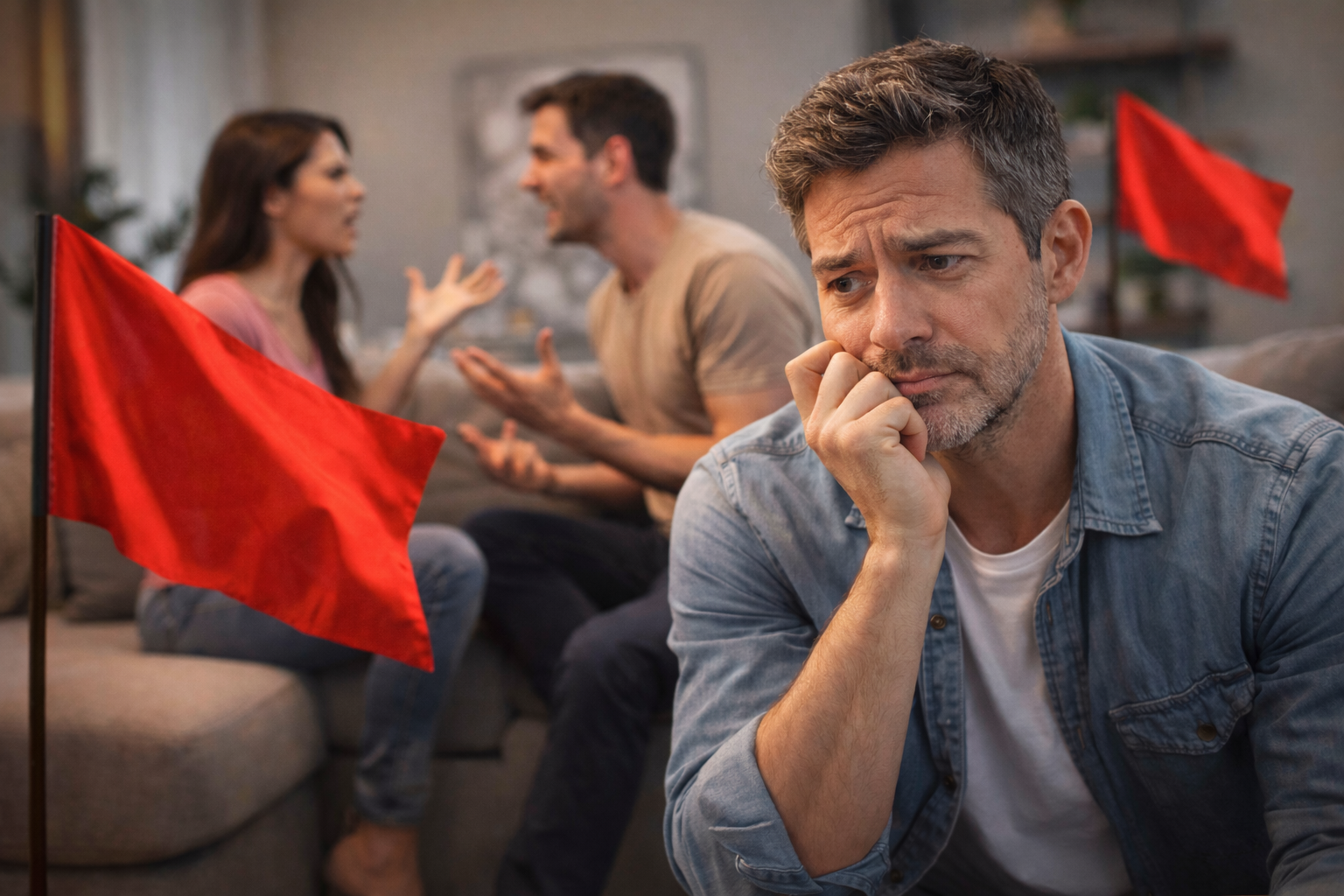
Relationship red flags are warning signs that indicate potential issues within a romantic partnership. These can range from behaviors and attitudes to communication styles that, if overlooked, can lead to significant problems. Understanding relationship red flags is essential for fostering a healthy and fulfilling relationship, as they can serve as precursors to deeper conflicts and dissatisfaction.
Common misconceptions surrounding relationship red flags often lead individuals to dismiss or minimize their significance. For instance, many people believe that these warning signs are merely temporary behaviors or phases that can change over time. However, it is crucial to recognize that persistent negative behaviors — such as dishonesty, lack of empathy, or controlling tendencies — are not likely to change without conscious effort from the individual exhibiting them.
Moreover, acknowledging these red flags does not imply a lack of commitment or love but rather a proactive approach to building a stable and fulfilling partnership. Identifying red flags early can help couples address issues before they escalate, thereby reinforcing their relationship. Recognizing patterns of unhealthy behavior and dealing with them constructively can lead to better communication and intimacy.
Additionally, the failure to recognize these warning signs can result in emotional turmoil and long-term dissatisfaction in a relationship. It is essential for individuals, particularly men, to educate themselves on what constitutes a red flag, ensuring they remain vigilant to their partner’s behaviors. Understanding and acknowledging these relationship red flags can empower partners to take action when necessary, fostering a nurturing environment for emotional growth and connection.
Common Red Flags Men Often Overlook
In the realm of relationships, awareness can significantly impact long-term satisfaction and happiness. Unfortunately, men frequently overlook certain red flags that may signal deeper issues. Understanding these signs is crucial for building healthier relationships.
One of the most prevalent red flags is a lack of communication. In any partnership, effective communication is essential for resolving conflicts and fostering intimacy. When one partner consistently avoids discussing feelings or simply brushes off significant topics, it can lead to feelings of isolation and resentment. For instance, if a partner routinely dismisses their significant other’s concerns or shifts conversations away from serious matters, it may indicate a reluctance to engage meaningfully.
Another concerning behavior is unhealthy jealousy. While a degree of jealousy is normal in relationships, excessive possessiveness can be toxic. When a partner frequently checks on whereabouts, restricts interactions with friends, or exhibits mistrust without justification, it can hinder personal freedom and indicate a lack of mutual respect. These actions can escalate, leading to more significant emotional harm.
Controlling behavior is also a significant red flag. When a partner tries to dictate aspects of your life, such as your appearance, social circles, or even hobbies, it threatens individual autonomy. For example, discouraging you from pursuing personal interests in favor of shared activities could diminish your sense of self and independence.
Lastly, inconsistency in actions versus words often raises alarms. A partner who professes love but regularly betrays trust, or promises change without any follow-through, creates an unstable foundation for the relationship. Trust is fundamentally built on reliability and honesty; thus, discrepancies between what is said and what is done can undermine confidence in the partnership.
The Consequences of Ignoring Red Flags
Ignoring relationship red flags can have severe and far-reaching consequences, often leading to emotional distress and unhealthy dynamics. When partners fail to recognize these warning signs, they may inadvertently reinforce negative patterns that can escalate over time. Research has shown that many couples who do not address these issues face increased dissatisfaction and, eventually, relationship breakdown. In fact, a study by the American Psychological Association indicates that approximately 70% of couples cite unresolved conflicts as a primary reason for separation.
Failing to acknowledge red flags can lead individuals to experience significant emotional distress. This distress often manifests as anxiety, depression, or a sense of helplessness. Individuals may find themselves constantly questioning their worth, feeling isolated, or doubting their partner’s commitment. Over time, this psychological strain not only affects the individual but also takes a toll on the relationship itself, further perpetuating a cycle of negativity and resentment.
Moreover, unhealthy dynamics can develop when one partner dismisses or normalizes troubling behaviors. This normalization can result in diminished assertiveness, increased codependency, and a distorted perception of what constitutes acceptable behavior in a relationship. These dynamics can be particularly harmful, as they may prevent one or both partners from recognizing when the relationship has become toxic, subsequently hindering any possibility for meaningful resolution.
Embracing the awareness of red flags allows individuals to make informed decisions regarding their relationships. Acknowledging these signs fosters open communication and provides an opportunity for growth and understanding. By addressing potential issues head-on, couples can work toward healthier interactions and cultivate an environment conducive to long-term fulfillment. Ultimately, recognizing and addressing red flags not only safeguards emotional well-being but also significantly increases the chances of sustaining a fulfilling and supportive partnership.
Strategies for Addressing Red Flags in Relationships
Recognizing red flags in relationships is the first step towards fostering healthier interactions. However, it is equally important to address these issues effectively. Open communication is fundamental when it comes to resolving relationship concerns. Encourage a dialogue where both partners can voice their feelings and thoughts without fear of judgment. This creates a safe space for discussing potential issues, allowing both individuals to express their needs and concerns.
Another essential strategy involves setting personal boundaries. Boundaries are crucial in establishing respect and understanding within a relationship. Be clear about what behaviors are acceptable and which ones are not, ensuring that both partners understand and respect these limits. This not only aids in preventing further red flags but also promotes personal autonomy and self-respect.
It may also be beneficial to seek professional assistance. If red flags persist despite efforts to address them, couples therapy or individual counseling can provide valuable insights and tools for navigating complex emotions and situations. A trained professional can facilitate conversations that may be difficult to address on one’s own and help couples understand the underlying issues at play.
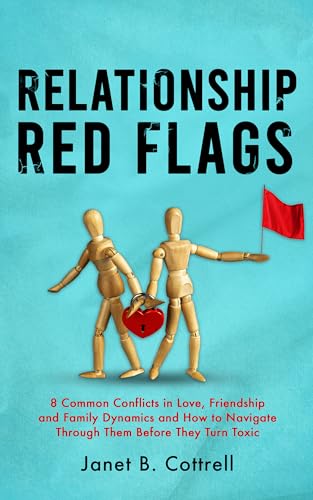
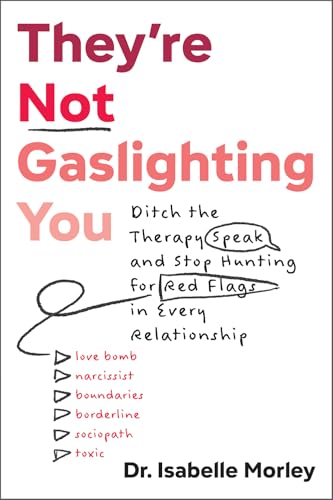
Moreover, educating oneself about relationship dynamics can empower both partners to recognize and respond to red flags early on. Resources such as books, workshops, and online courses can be instrumental in enhancing relationship skills. By developing a deeper understanding of both effective communication and psychological aspects of relationships, individuals will be better equipped to identify and address issues proactively.
Ultimately, being proactive about addressing red flags lays the groundwork for a healthy relationship. By employing effective communication strategies, setting firm boundaries, and not hesitating to seek professional help when necessary, individuals can cultivate long-lasting and fulfilling connections with their partners.
Affiliate Disclosure: As an Amazon Associate, I earn from qualifying purchases. This post contains affiliate links, which means if you click and make a purchase, I may receive a small commission at no extra cost to you. I only recommend products I personally use or believe add real value. Thank you for supporting The Right Man Mindset.