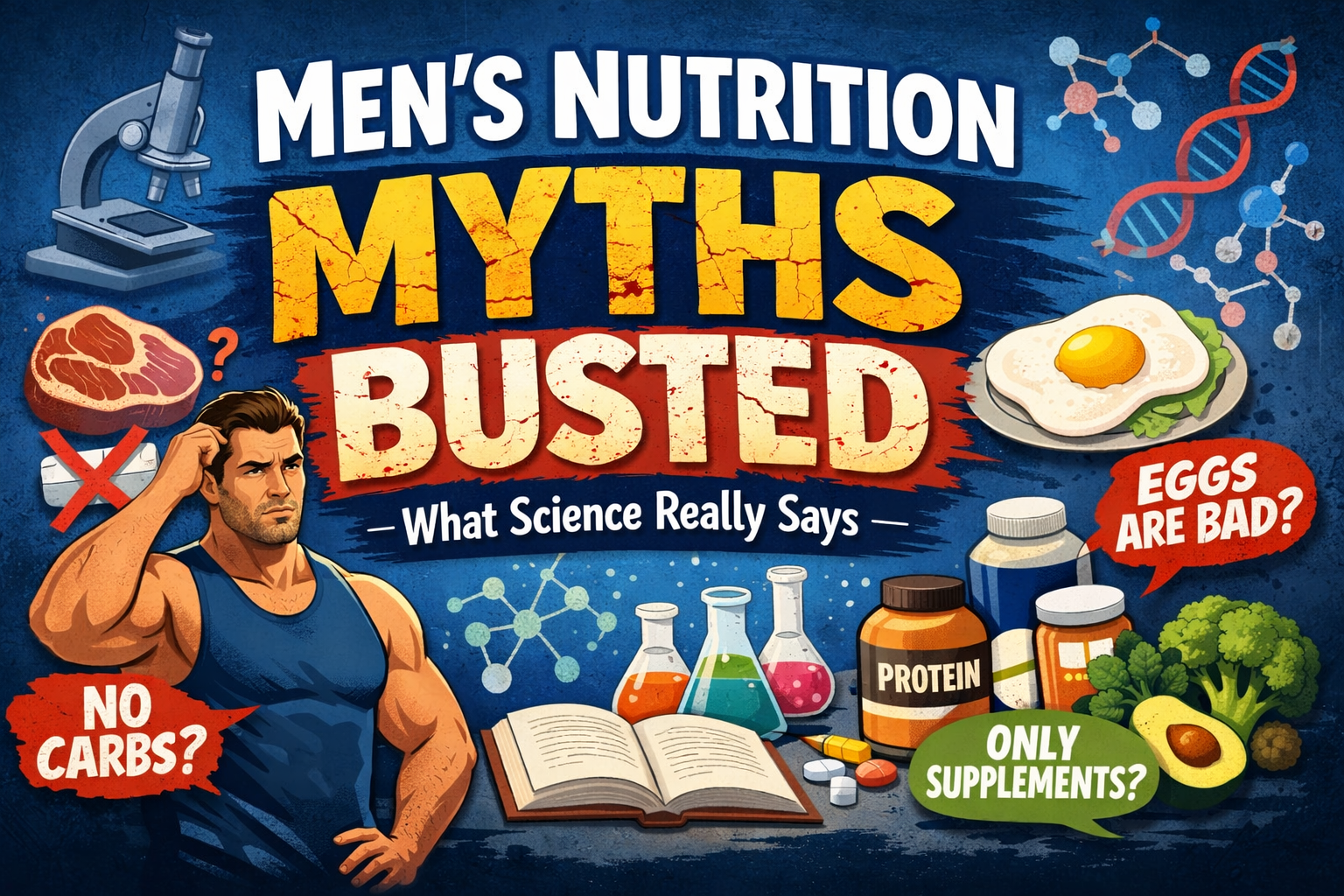
Nutrition advice for men is everywhere—social media, gym buddies, celebrity diets—but not all of it is accurate. Misconceptions can lead to poor diet choices, lost gains, or even health risks. In this article, we’ll bust the top myths about men’s nutrition and reveal what science really says.
Medical Disclaimer
This article is for educational purposes only and is not medical advice. Always consult a qualified healthcare provider, dietitian, or physician before making major changes to your diet or supplement routine.
Myth 1: Men Need a Lot More Protein Than Women
Many believe men must eat massive amounts of protein to build muscle. While protein needs are slightly higher for men due to greater muscle mass, studies show that 1.6–2.2 grams per kilogram of body weight per day is sufficient for most active men. Excess protein beyond this does not magically build more muscle.
Myth 2: Carbs Make Men Fat
Carbs have gotten a bad reputation, but they are essential for energy, brain function, and recovery, especially for active men. Quality carbs from whole grains, fruits, and vegetables support performance, whereas excessive refined sugar can contribute to fat gain.
Myth 3: Fat is Bad for Men’s Health
Not all fat is created equal. Monounsaturated and polyunsaturated fats—like those in olive oil, avocados, and nuts—are heart-healthy and support hormone production, including testosterone. Avoid trans fats and excessive saturated fats.
Myth 4: Supplements Are More Important Than Real Food
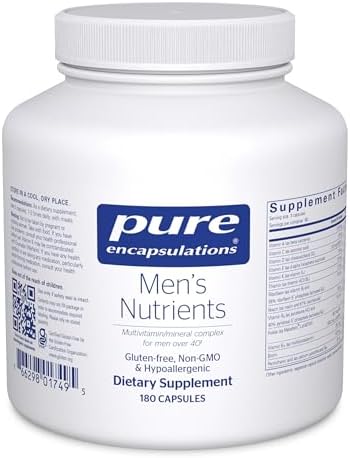
Protein powders, creatine, and vitamins are popular, but whole foods should always be the foundation. Supplements can help fill gaps but cannot replace a balanced diet rich in vegetables, fruits, lean proteins, and whole grains.
Myth 5: Eating Late at Night Causes Fat Gain
Calories matter more than timing. Studies show that when you eat matters less than how much you eat over the day. Late-night meals won’t inherently make men gain fat if daily caloric intake is appropriate.
Myth 6: Men Should Avoid All “Low-Fat” or “Low-Calorie” Foods
Low-fat or low-calorie options are not inherently bad. The key is overall diet quality. For men, balance protein, complex carbs, and healthy fats, and don’t fear moderation in fat or calories.
Myth 7: Eating More Will Automatically Build Muscle
Eating above maintenance calories helps muscle growth, but strength training stimulus and nutrient timing are just as important. Simply overeating without training leads to fat gain.
Myth 8: Men Don’t Need Fiber
Fiber is crucial for digestive health, blood sugar regulation, and cholesterol management, yet many men fall short. Aim for 25–30 grams per day from vegetables, fruits, legumes, and whole grains.
Myth 9: Only Cardio Matters for Men’s Health
Strength training is essential, not just cardio. Resistance exercises boost metabolism, preserve muscle, and support bone health, while cardio improves heart and lung function. The best results come from a combined approach.
Tips to Navigate Nutrition Myths
- Prioritize whole foods over supplements.
- Balance macronutrients: protein, carbs, healthy fats.
- Focus on evidence-based practices: follow reputable sources like Harvard, NIH, or peer-reviewed journals.
- Don’t fear healthy fats or carbs—they are necessary for hormones, energy, and recovery.
- Strength train and do cardio for optimal health.
Summary
Men’s nutrition is often misunderstood due to myths circulating online. Key takeaways:
- Men don’t need excessively more protein than science suggests.
- Quality carbs and healthy fats are beneficial, not harmful.
- Whole foods are superior to supplements.
- Meal timing matters less than overall calories.
- Strength training is as important as cardio.
By focusing on balanced, science-backed nutrition, men can improve health, performance, and longevity.
References / Trusted Sources:
- Harvard T.H. Chan – Protein
- Harvard Health – Carbohydrates
- American Heart Association – Healthy Fats
- NIH – Dietary Supplements
- Harvard Health – Meal Timing
- PubMed – Muscle Protein Synthesis
- Harvard T.H. Chan – Fiber
Affiliate Disclosure: As an Amazon Associate, I earn from qualifying purchases. This post contains affiliate links, which means if you click and make a purchase, I may receive a small commission at no extra cost to you. I only recommend products I personally use or believe add real value. Thank you for supporting The Right Man Mindset.