Understanding Ear Health and Hearing Profiles
Ear health is a crucial aspect of overall well-being, intertwined with our ability to communicate and engage with our surroundings. The ear is a complex organ, consisting of three primary parts: the outer ear, middle ear, and inner ear. Each component plays a vital role in the process of hearing, where sound waves are transformed into signals that the brain interprets. However, various issues can impair this intricate system, leading to hearing loss or other auditory problems. Common conditions include ear infections, noise-induced hearing loss, and age-related changes, all of which can affect how we perceive sound.
Hearing profiles are a personalized representation of an individual’s hearing abilities. They are generated through comprehensive audiometric tests that assess how well a person can detect different frequencies and volumes. This assessment is particularly important because each individual’s hearing capabilities can vary significantly due to numerous factors. Age is a key determinant, as many individuals experience gradual changes in hearing sensitivity over time. Environmental factors, including exposure to loud noises or occupational hazards, can also lead to variations in hearing profiles. Furthermore, lifestyle choices—such as smoking, recreational drug use, or inadequate ear protection—can contribute to overall ear health and impact one’s hearing ability.
The significance of understanding one’s hearing profile cannot be overstated. By recognizing individual differences in auditory perception, personalized audio solutions can be developed. These tailored approaches not only enhance the listening experience but also support those with hearing impairments in navigating their environments more effectively. Overall, awareness of ear health and the creation of personalized hearing profiles are fundamental steps toward achieving optimal auditory wellness in an increasingly noisy world.
The Role of Modern Audio Gear in Hearing Health
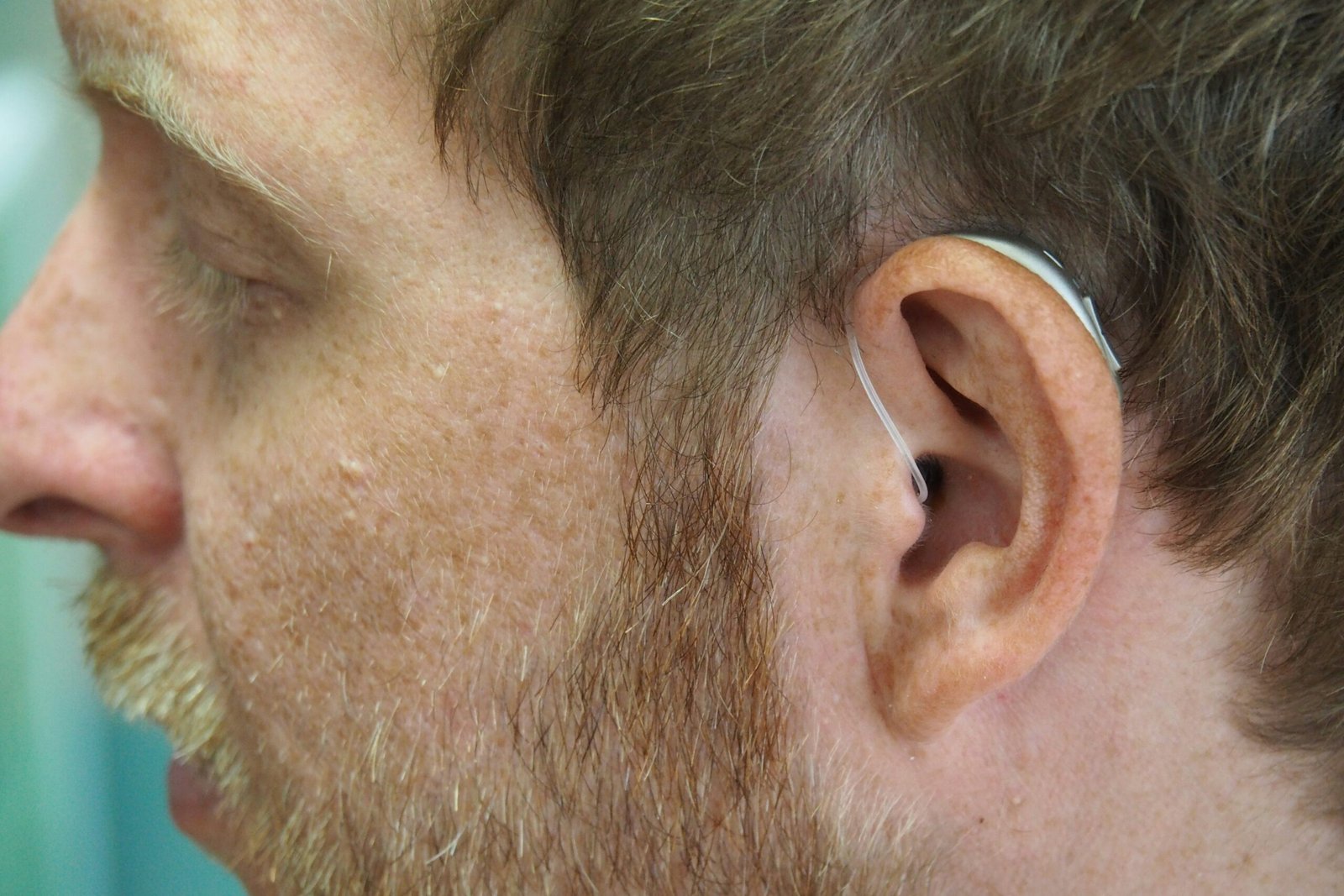
Advancements in audio technology have significantly transformed how individuals experience sound, particularly for those with specific hearing needs. Modern audio gear, encompassing headphones and hearing aids, now incorporates features that cater to varied auditory preferences, enhancing both listening enjoyment and ear health. One such innovation is the development of adaptive sound profiles, which allow devices to adjust audio output in real-time based on the user’s unique hearing capabilities.
Adaptive sound profiles leverage algorithms that can recognize the frequency levels most prominent in a user’s hearing range. By fine-tuning sound output, these devices ensure that users receive sounds in a manner best suited for their hearing profile. Consequently, this targeted approach not only improves the listening experience but also prevents potential auditory fatigue that can arise from constant exposure to poorly adjusted audio settings.
No less significant is the implementation of frequency tuning in modern audio gear. This feature enables users to customize the sound frequencies to meet their specific requirements. Individuals who might struggle with high or low-frequency sounds can benefit greatly from this technology, as it provides the flexibility to balance sounds for optimal clarity and comfort. This customization promotes a healthier auditory environment, which is crucial for long-term ear health.
Moreover, noise cancellation technology plays a vital role in modern audio devices. By effectively eliminating background noise, users can immerse themselves in audio without the need for excessive volume levels. This is particularly important for preserving hearing health, as high volume levels can lead to hearing damage over time. Overall, the integration of these innovative features into headphones and hearing aids is a testament to the commitment within the audio industry to prioritize auditory wellness.
Reducing Ear Fatigue: The Benefits of Personalized Audio
Ear fatigue is a commonly overlooked phenomenon that affects many individuals, particularly those who frequently engage with audio devices. It refers to the discomfort and diminished hearing sensitivity that develops after prolonged exposure to sound at certain frequencies and volumes. This condition can arise due to a mismatched audio output that does not align with an individual’s unique hearing profile, ultimately leading to undue strain on the auditory system. Over time, this can result in not only discomfort but also potential long-term implications for overall ear health.
The process of encountering ear fatigue often begins subtly, manifesting as a gradual increase in perceived volume requirements to achieve the same listening experience. This is exacerbated in environments with inconsistent sound quality, where generic audio settings fail to accommodate individual hearing capabilities. Research indicates that when audio is not tailored to personal hearing profiles, users are prone to increased levels of auditory strain, leading to discomfort and reducing their overall enjoyment of the listening experience.
Personalized audio presents an effective solution to combat ear fatigue through tailored sound adjustments. By utilizing technology that analyzes and modifies audio to match specific hearing profiles, individuals can enjoy a richer audio experience without the discomfort associated with generic sound settings. Studies have shown that when audio is customized to suit personal preferences and hearing capabilities, users report markedly less fatigue and a more immersive engagement with sound.
Expert opinions emphasize the importance of such personalized adjustments in enhancing overall audiological well-being. Consequently, audiologists and sound engineers advocate for the adoption of technology that offers adjustable audio settings. This ensures that individuals can enjoy extended listening sessions without the accompanying pressure and strain that generic sound profiles may impose.
Creating a Comfortable Listening Experience: Best Practices
Maximizing comfort and health during audio engagement is crucial for maintaining overall ear health. There are several best practices that listeners can adopt to create a personalized and pleasant listening experience. The first step involves configuring audio settings to suit individual preferences. Many devices today offer personalized audio profiles, which can include adjustable equalizer settings, volume limits, and spatial audio enhancements. Utilizing these features allows users to tailor their experiences based on their unique hearing needs, potentially reducing strain and discomfort.
In addition to setting up personalized audio configurations, it is vital to incorporate regular breaks into listening habits. Prolonged exposure to sound, particularly at high volumes, can lead to auditory fatigue and may compromise hearing health over time. It is advisable to follow the 60/60 rule, where users listen at no more than 60% volume for no longer than 60 minutes at a stretch, taking breaks in between to allow their ears to rest. This practice helps in promoting ear health while also enhancing the overall listening experience.
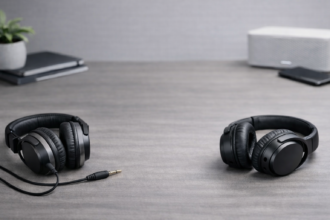
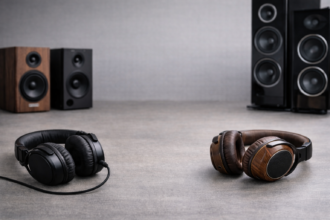
The selection of compatible audio gear further contributes to a comfortable listening environment. Headphones and earbuds come in various shapes, sizes, and technologies, including noise-cancellation features. Choosing the right type based on individual comfort and audio quality preferences can alleviate physical discomfort and improve sound clarity, which is especially important for users with hearing differences. Furthermore, listeners should prioritize regular hearing check-ups as part of their health routine. Regular assessments allow individuals to monitor ear health and make necessary adjustments to their audio usage and gear, ultimately supporting a proactive approach to maintaining hearing wellness.
Affiliate Disclosure: As an Amazon Associate, I earn from qualifying purchases. This post contains affiliate links, which means if you click and make a purchase, I may receive a small commission at no extra cost to you. I only recommend products I personally use or believe add real value. Thank you for supporting The Right Man Mindset.