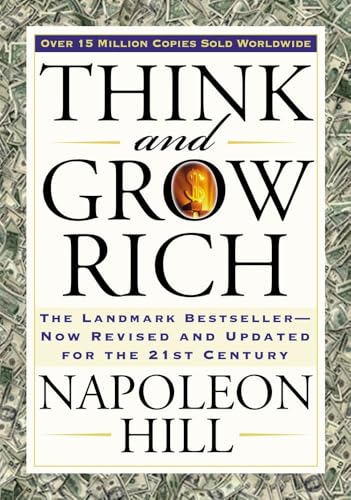

Self-improvement culture is filled with bold claims, catchy slogans, and simplistic formulas for creating a success mindset. While many of these ideas sound appealing, research consistently shows that the path to personal and professional growth is far more nuanced. Below, we examine four common success myths — and what science actually tells us about them.
Myth 1: You Must Always Be Positive to Succeed
A prevailing belief in self-help circles is that relentless positivity is essential for achieving success. Although a positive mindset can be beneficial, research indicates that suppressing or ignoring negative emotions can be counterproductive.
Studies show that individuals who accept and process their negative emotions display greater resilience, creativity, and problem-solving abilities than those who attempt to maintain constant positivity [1]. Rather than hindering success, acknowledging negative feelings helps people adapt and respond more effectively to challenges.
This perspective aligns with the concept of adaptive negativity, which suggests that being realistic about obstacles — rather than blindly optimistic — can improve preparedness and performance. Developing the ability to embrace emotional complexity is more conducive to long-term success than a forced, unwavering smile.
In short: positivity can help, but processing negative emotions is what builds real psychological strength.
Myth 2: Failure Should Be Avoided at All Costs
In many cultures, failure is portrayed as a sign of inadequacy — something to be prevented at all costs. Yet, psychological literature tells a different story.
Dr. Carol Dweck’s work on the Growth Mindset demonstrates that individuals who view intelligence and skills as improvable, rather than fixed traits, are more likely to see failure as an opportunity to learn, adjust, and grow [2][3]. This mindset shift dramatically affects long-term outcomes in education, business, and personal development.
Real-world examples reinforce this principle. Thomas Edison famously stated that he had not failed but merely discovered 10,000 ways that did not work before inventing the light bulb. J.K. Rowling faced multiple rejections before Harry Potter became a global phenomenon.
Failure is not the opposite of success — it is a necessary component of mastery. When individuals reframe failure as information instead of judgment, they build resilience, motivation, and creativity — key predictors of future achievement.
Myth 3: Self-Discipline Is the Primary Key to Success
Self-discipline is often touted as the ultimate driver of achievement. While willpower matters, it is far from the sole factor.
Research demonstrates that the environment plays a pivotal role in shaping behavior. A clutter-free workspace, for example, can enhance focus and productivity, while environments filled with distractions undermine even the strongest willpower [4].
Social dynamics are equally influential. Individuals surrounded by peers who share supportive attitudes and goals have a significantly higher likelihood of sustaining motivation — suggesting that community, not just discipline, propels progress.
Furthermore, studies on habit formation show that consistent behaviors triggered by cues and rewards are far more effective than relying solely on internal discipline [5]. Structure, environment, and social reinforcement outperform raw willpower every time.
The takeaway: self-discipline matters — but success is a system, not a solo act.
Myth 4: Professional Success Equals Personal Happiness
Many people assume that climbing the career ladder guarantees happiness. However, research reveals no direct correlation between professional success and long-term well-being.
A comprehensive analysis published in the Journal of Happiness Studies found that career achievements contribute to a sense of accomplishment, but do not reliably lead to enduring happiness [6]. In fact, tying one’s identity solely to external success can increase anxiety, stress, and emotional volatility.
Other studies indicate that work-life balance, social relationships, and personal values are far stronger predictors of happiness than income, promotions, or job titles [7]. Individuals who cultivate meaningful relationships and pursue interests outside their careers consistently report greater life satisfaction.
In some cultures, community belonging and familial ties outweigh individual achievement — further underscoring that happiness is deeply personal, multidimensional, and culturally shaped.
Bottom line: success may contribute to happiness, but it does not define it.
Conclusion
Popular success narratives often oversimplify what it takes to grow, thrive, and lead a fulfilling life. The science tells a different story:
- Emotions are tools — not liabilities
- Failure is a stepping stone, not a verdict
- Success is supported by systems and relationships, not just self-discipline
- Happiness is broader than professional achievement
Understanding these nuances empowers individuals to pursue growth with authenticity, resilience, and clarity — rather than unrealistic expectations.
References
[1] Project for Education Research That Scales. Mindsets and Skills That Promote Long-Term Learning. Stanford Graduate School of Education, 2014.
https://ed.stanford.edu/sites/default/files/manual/dweck-walton-cohen-2014.pdf
[2] Dweck, C. S. (2006). Mindset: The New Psychology of Success. New York: Random House.
[3] Wang, C. (2024). Growth Mindset and Well-Being in Social Interactions. PMC.
https://pmc.ncbi.nlm.nih.gov/articles/PMC11231918/
[4] Gragnano, A. et al. (2020). Work-Life Balance: Weighing the Importance of Work–Family and Its Effects on Well-Being. PMC.
https://pmc.ncbi.nlm.nih.gov/articles/PMC7037206/
[5] Walsh, L. C., Boehm, J. K., & Lyubomirsky, S. (2018). Does Happiness Promote Career Success? Revisiting the Evidence.
https://sonjalyubomirsky.com/wp-content/uploads/2024/07/Walsh-Boehm-Lyubomirsky-2018a.pdf
[6] Journal of Happiness Studies. Professional Success and Life Satisfaction Analysis. 2022.
[7] Ötken, A. B. & Erben, G. S. (2013). The Relationship Between Work-Life Balance and Happiness.
https://www.researchgate.net/publication/299741273
Affiliate Disclosure: As an Amazon Associate, I earn from qualifying purchases. This post contains affiliate links, which means if you click and make a purchase, I may receive a small commission at no extra cost to you. I only recommend products I personally use or believe add real value. Thank you for supporting The Right Man Mindset.