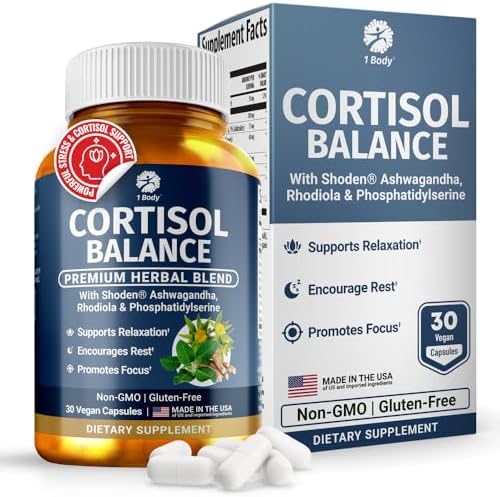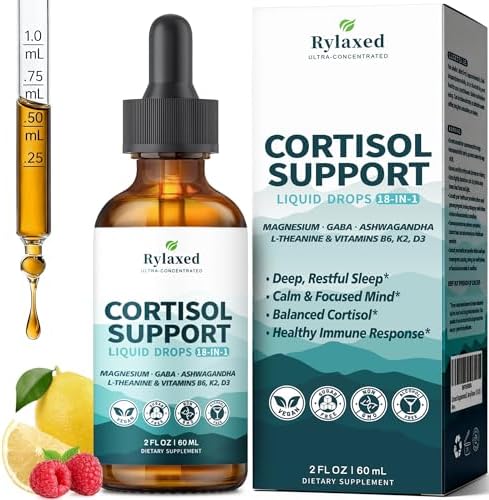

Medical Disclaimer: This article is for informational purposes only and is not medical advice. Always consult a qualified healthcare provider before making changes to your health, fitness, or stress-management routines.
Stress is something many men wear like a badge of honor — a necessary sacrifice on the path to success. You hustle harder, take on more responsibility, and push through fatigue. But what if the very hormone your body releases to protect you from danger is quietly sabotaging your health, performance, and mental resilience?
This hormone is cortisol, often dubbed the “stress hormone.” In moderation, cortisol serves a critical role: it helps you respond to threats, mobilizes energy, and keeps vital systems in check during acute stress. But when stress becomes chronic — as it too often does in the modern world — that same hormone can wreak havoc on your body and mind.
What Is Cortisol (and Why Do You Have It)?
Cortisol is produced by your adrenal glands and forms a core part of your hypothalamic-pituitary-adrenal (HPA) axis — your body’s stress-response system. When you face a threat (whether physical, emotional, or cognitive), your brain signals the release of cortisol along with adrenaline to help you react.
In short bursts, this response is protective. It sharpens alertness, temporarily increases energy, and prepares your body for action. But when stressors never let up — heavy workloads, unresolved anxiety, sleep deprivation, financial pressure, and constant “on” culture — cortisol stays elevated longer than it should.
Chronic Cortisol: The Hidden Cost of Success
When cortisol stays elevated day after day, it begins to interact negatively with several body systems — especially hormones, muscle growth, fat storage, sleep, mood, and brain function.
1. Cortisol Can Suppress Testosterone
Testosterone isn’t just a “sex hormone” — it’s vital for muscle growth, mood regulation, energy levels, and overall male health. Chronic elevations in cortisol have been shown to suppress testosterone production.
Elevated cortisol can reduce testosterone output and increase levels of sex hormone-binding globulin, which binds testosterone in the blood and makes it unavailable for use. This dual knock-down means less usable testosterone exactly when your body needs it most.
The competition between cortisol and testosterone isn’t just theoretical: biological pathways for producing cortisol and testosterone share common precursors. When cortisol demand is persistently high, those raw materials are diverted away from testosterone synthesis.
2. Muscle Growth and Recovery Suffers
For men focused on physical performance, cortisol’s impact on muscle is especially relevant. While acute spikes during intense workouts help fuel the body, chronically high levels shift your metabolism toward tissue breakdown — a state called catabolism.
This hampers protein synthesis — the process by which your muscles repair and grow. High cortisol can also impair nutrient partitioning, meaning calories are more likely to be stored as fat rather than used for muscle repair.
Even high-quality workouts and diet plans struggle to overcome this hormonal imbalance when your stress hormone dominates your internal environment.
3. Sleep & Mood Take a Hit
Cortisol directly influences your sleep-wake cycle. It naturally peaks in the morning to help you wake up and should decline into the evening. Persistent stress disrupts this rhythm, making it harder to fall asleep or stay asleep. Poor sleep further elevates cortisol — creating a vicious cycle.
High cortisol is also linked to increased anxiety, irritability, and depressive symptoms. That’s because it interacts with brain regions that regulate mood, memory, and motivation.
4. Body Composition Changes (Fat Gain)
Chronic cortisol isn’t just about weight — it’s about where fat accumulates. Elevated cortisol preferentially drives fat storage in the abdomen (visceral fat) — the type more strongly linked to cardiovascular risk and metabolic disruptions.
Visceral fat doesn’t just sit passively; it releases inflammatory molecules that can further disrupt hormone balance and metabolic health.
The Double-Edged Sword: Stress and Burnout
When cortisol remains elevated, your body operates in survival mode — but a persistent “fight or flight” state is not sustainable.
A 2025 Mayo Clinic overview highlights how chronic stress hormones can disrupt nearly every system in the body, from digestive processes and immune function to mood and cardiovascular health.
In high-achieving men — who often pride themselves on productivity and resilience — subtle burnout can creep in due to this chronic stress response. You may still get things done, but you feel less energized, more reactive, and less able to recover.
Strategies to Regain Control (Backed by Science)
The good news? Cortisol levels are modifiable. You can’t eliminate stress entirely, but you can reduce its physiological impact.
1. Prioritize Sleep
Sleep is one of the most powerful regulators of cortisol. Aim for consistent sleep timing, dark sleeping environments, and 7–9 hours of quality rest.
2. Incorporate Consistent Physical Activity
Regular exercise helps your body handle stress more efficiently. Even moderate activity (like walking) can lower baseline cortisol over time.
However, balance is key: excessive high-intensity training without recovery can itself elevate cortisol chronically.
3. Practice Stress-Reducing Behaviors
Mindfulness practices (meditation, breathing exercises), yoga, and time in nature have all been linked with lower cortisol and improved mental wellbeing.
Positive social interaction and strong support networks also buffer stress responses.
4. Nutrition Matters
Balanced meals rich in protein, fiber, and nutrient-dense foods support hormone balance. Caffeine and alcohol, while enjoyable in moderation, can amplify stress responses when used excessively.
5. Recognize When to Seek Help
If stress feels overwhelming, persistent, or associated with anxiety/depressive symptoms, consider talking with a mental health professional.
Final Thoughts: The Balance Between Drive and Health
High-performance men are wired to push limits — and that’s not inherently a flaw. But in a world where stressors are ongoing and recovery is optional, the cost of chronic cortisol elevation is real. It doesn’t just slow gains in the gym — it can impair sleep, mood, sexual function, body composition, and long-term health.
Understanding why you feel drained, unfocused, or stuck despite “doing everything right” is the first step. From there, intentional recovery, sleep, balanced training, and stress management become performance tools — not luxuries.
Your goals deserve discipline. But your body demands balance.
Affiliate Disclosure: As an Amazon Associate, I earn from qualifying purchases. This post contains affiliate links, which means if you click and make a purchase, I may receive a small commission at no extra cost to you. I only recommend products I personally use or believe add real value. Thank you for supporting The Right Man Mindset.