
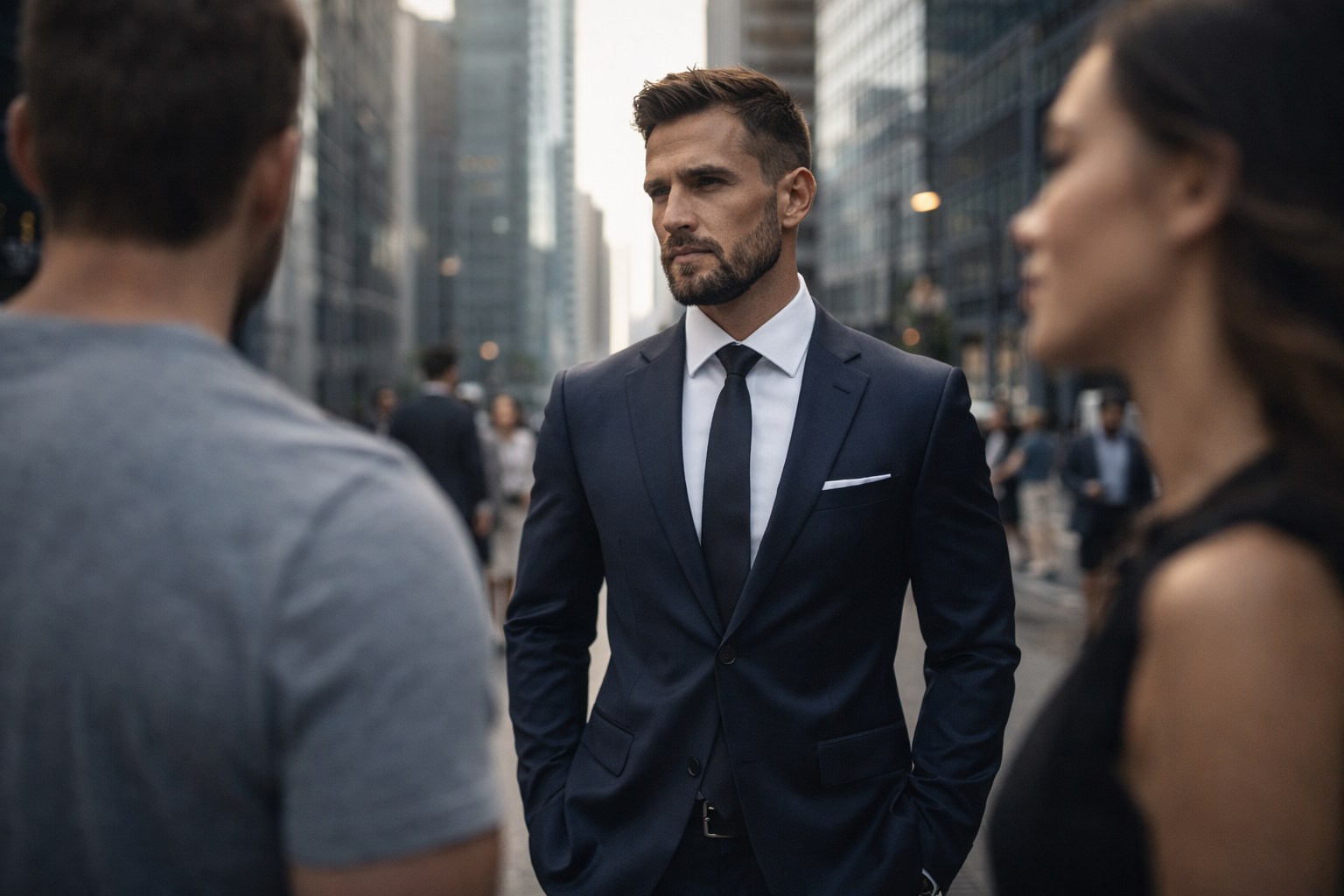
The Role of Clothing in Self-Perception
The relationship between clothing and self-perception is a multifaceted aspect of psychology that significantly influences how individuals view themselves and how they are viewed by others. The concept of “enclothed cognition” highlights this relationship, suggesting that the clothes we wear can have meaningful impacts on our thoughts, feelings, and overall performance. Research in psychology indicates that our clothing choices extend beyond mere aesthetics; they play a crucial role in shaping our identity and self-esteem.
A study conducted by Adam and Galinsky (2012) revealed how participants who wore formal attire reported feeling more powerful and confident compared to those in casual clothing. This suggests that clothing can activate specific psychological states that align with the characteristics of the attire, such as authority, professionalism, or relatability. The idea is that clothes serve as a form of non-verbal communication, conveying signals about attributes such as competence or approachability.
Real-life applications of this concept are evident across various sectors. For example, individuals donning business suits often report feeling more authoritative and focused, which may enhance their work performance and interactions. Conversely, casual attire may evoke a sense of relaxation or informality, altering one’s level of engagement in professional settings. Similarly, uniforms can instill a sense of belonging or identity within organizations, reinforcing team cohesion.
Furthermore, societal norms and cultural representations also impact our self-perception through clothing. Fashion varies across cultures, and what is considered appropriate or empowering can differ widely, thus affecting individuals’ confidence levels based on their sartorial choices. Ultimately, clothing not only reflects our personality but profoundly influences how we perceive ourselves, reinforcing the idea that our attire is a pivotal part of our identity.
Clothing as a Means of Expression and Identity
Clothing serves as a powerful medium of self-expression, allowing individuals to convey their identities and personal values through their fashion choices. The garments one chooses to wear can signify a multitude of factors, including cultural heritage, social status, and group affiliations. For instance, individuals may don specific styles to align themselves with cultural traditions or to showcase their appreciation for certain artistic or social movements. The concept of clothing as a form of expression is deeply intertwined with the idea of belonging; attire often communicates to others the groups or identities with which individuals identify.
The relationship between clothing and identity is evident across various social contexts. Fashion trends often emerge from subcultures, where specific styles signify membership within those groups. For example, punk fashion, with its distinctive elements such as leather jackets and unique hairstyles, stands as a representation of rebellion and nonconformity. Similarly, traditional attire often carries profound cultural significance, reinforcing individual and collective identity through the preservation of shared history and values.
Moreover, personal style does not solely reflect external influences but also acts as an internal dialogue. The garments one wears can evoke feelings of empowerment, confidence, or comfort, thus impacting one’s mindset. Studies indicate that individuals may choose clothing that aligns with their mood or aspirations, hence using fashion as a tool for self-affirmation. As such, clothing becomes more than mere fabric; it transforms into a statement of who we are and what we believe.
Through the lens of fashion psychology, it becomes clear that clothing choices have sociocultural dimensions that extend beyond aesthetics. They encapsulate individual identity and foster connections with others who resonate with similar values or experiences. In essence, clothing is a vital form of communication that reveals the complexities of human identity.
The Impact of Clothing on Social Perception
The clothing choices individuals make play a pivotal role in shaping social perception. First impressions are frequently formed through the lens of attire, with particular garments often eliciting specific stereotypes and biases. Research indicates that people quickly judge aspects such as professionalism, competence, and even moral character based on an individual’s clothing. For instance, formal attire can enhance perceptions of authority and reliability, while casualwear might impart a sense of friendlessness but at times diminish credibility.
Numerous studies highlight that attire can impact social interactions in varied environments—be it the workplace, educational institutions, or social gatherings. In a corporate setting, a well-tailored suit often signals professionalism and attention to detail, influencing how colleagues and clients perceive an individual’s capabilities. In contrast, a lack of formality in clothing may lead to assumptions of a laid-back attitude, potentially impacting career advancement opportunities.
Beyond professional realms, clothing selections can influence peer dynamics in schools and social circles. Adolescents, particularly, are often subjected to peer pressure that emphasizes the importance of clothing labels and styles in establishing social hierarchies. Attire can serve as a visible marker of group identity, and those who do not adhere to popular fashion trends may experience isolation or stigmatization.
Moreover, cultural nuances significantly inform how clothing is interpreted. Different societies have varied norms regarding appropriate dress, which can further complicate social perceptions. For instance, in some cultures, vibrant colors may symbolize joy and celebration, while in others, they may be seen as inappropriate or overly assertive. This multidimensionality underscores the necessity of understanding the implications of clothing choices on social interactions.
Practical Tips for Dressing with Intention
In today’s world, the clothes we wear can significantly influence not only our self-perception but also how others perceive us. Dressing with intention means being mindful of how our choices reflect our values, boost our confidence, and communicate our identity. By incorporating certain strategies, individuals can curate a wardrobe that aligns with their desired self-image and the messages they wish to convey.
Firstly, it is essential to assess personal style and the specific attributes one wants to project. For example, individuals aiming for professionalism might choose tailored outfits that convey competence and reliability. Conversely, those focusing on creativity may opt for bold colors and patterns that illustrate uniqueness. Understanding the contexts in which clothing will be worn is key to making intentional selections.
Secondly, investing in quality over quantity is a wise choice. A curated wardrobe filled with well-made, versatile pieces can empower individuals, allowing them to mix and match effectively for various occasions. This approach also supports a positive self-image, as high-quality garments often lead to increased comfort and satisfaction. Additionally, selecting clothing made from sustainable materials can reinforce one’s values regarding environmental consciousness.
Moreover, consider the psychological effects of color and fit. Studies indicate that certain colors evoke specific emotions, while well-fitted clothing often boosts confidence. Therefore, understanding personal color palettes and choosing flattering fits can enhance one’s mindset and overall presence.
Lastly, when shopping, keep a checklist that aligns with your values and desired messages. This deliberate approach encourages thoughtful purchasing and can prevent impulse buys that detract from personal aesthetic goals. By applying these practical tips, individuals can ensure their wardrobe truly reflects who they are and how they wish to be perceived.
Affiliate Disclosure: As an Amazon Associate, I earn from qualifying purchases. This post contains affiliate links, which means if you click and make a purchase, I may receive a small commission at no extra cost to you. I only recommend products I personally use or believe add real value. Thank you for supporting The Right Man Mindset.








3 Comments
Yo peeps! Anyone tried lucky98game? Saw some ads, looks kinda fun. Let me know if it’s legit before I deposit my hard-earned cash!
Wassup everyone, I just wanted to share w188com with you all. Looks pretty well put together. You can check it out for yourself w188com
Been playing on idd888 for a while now. Good selection of games and the payouts are decent. Definitely worth a look. idd888