

Modern masculinity often pits the archetype of the Alpha male against that of the Gentleman, presenting two contrasting images of what it means to be a man. The Alpha, characterized by dominance and assertiveness, tends to dominate popular culture, while the Gentleman embodies integrity, respect, and consideration for others. True masculinity transcends mere dominance; it is rooted in authenticity and moral character.
As society evolves, these tropes are increasingly scrutinized and redefined. The Alpha may be viewed as confident, but this narrative often neglects the importance of empathy and ethical behavior. In contrast, the Gentleman reflects a more holistic approach to masculinity that values relationships and respect as essential traits of a true leader.
This exploration into the Alpha versus the Gentleman highlights a crucial aspect of modern manhood. The real measure of a man lies not solely in his ability to assert power, but in his commitment to integrity and genuine connection with others. Recognizing this distinction can lead to a more fulfilling and responsible expression of masculinity.
Defining Modern Masculinity
Modern masculinity encompasses diverse notions of what it means to be a man today. It contrasts the archetype of the “Alpha” with the more refined qualities of the “Gentleman.” Understanding these distinctions is vital for recognizing how integrity plays a role in true manliness.
The Concept of the Alpha
The “Alpha” male is often characterized by assertiveness and dominance. This figure tends to prioritize control, both in social and professional settings. Traits associated with Alphas include confidence, risk-taking, and a competitive nature.
Recommended Reading: “The 48 Laws of Power” by Robert Greene – A deep dive into power dynamics and influence. Check it out on Amazon

Key attributes often include:
Leadership: Alphas are usually seen in leadership roles, naturally commanding attention.
Physical Presence: A focus on fitness and appearance is common.
Decisiveness: Making quick decisions can signify strength.
While the Alpha archetype may project strength, reliance solely on dominance can overlook essential virtues like empathy and cooperation.
Characteristics of the Gentleman
In contrast, the “Gentleman” represents a more nuanced form of masculinity that values integrity and respect. This figure exemplifies courteous behavior combined with strength. He prioritizes kindness, manners, and emotional intelligence.
Recommended Read: “How to Be a Gentleman: A Contemporary Guide to Common Courtesy” by John Bridges – Available on Amazon

Defining traits include:
Respectfulness: The Gentleman values others and treats them with dignity.
Emotional Intelligence: He navigates social dynamics with awareness and sensitivity.
Authenticity: True Gentlemen are sincere, without pretense.
By embodying these characteristics, the Gentleman presents a model of masculinity that goes beyond mere dominance, promoting healthier relationships and deeper connections.
Cultural Perceptions and Influences
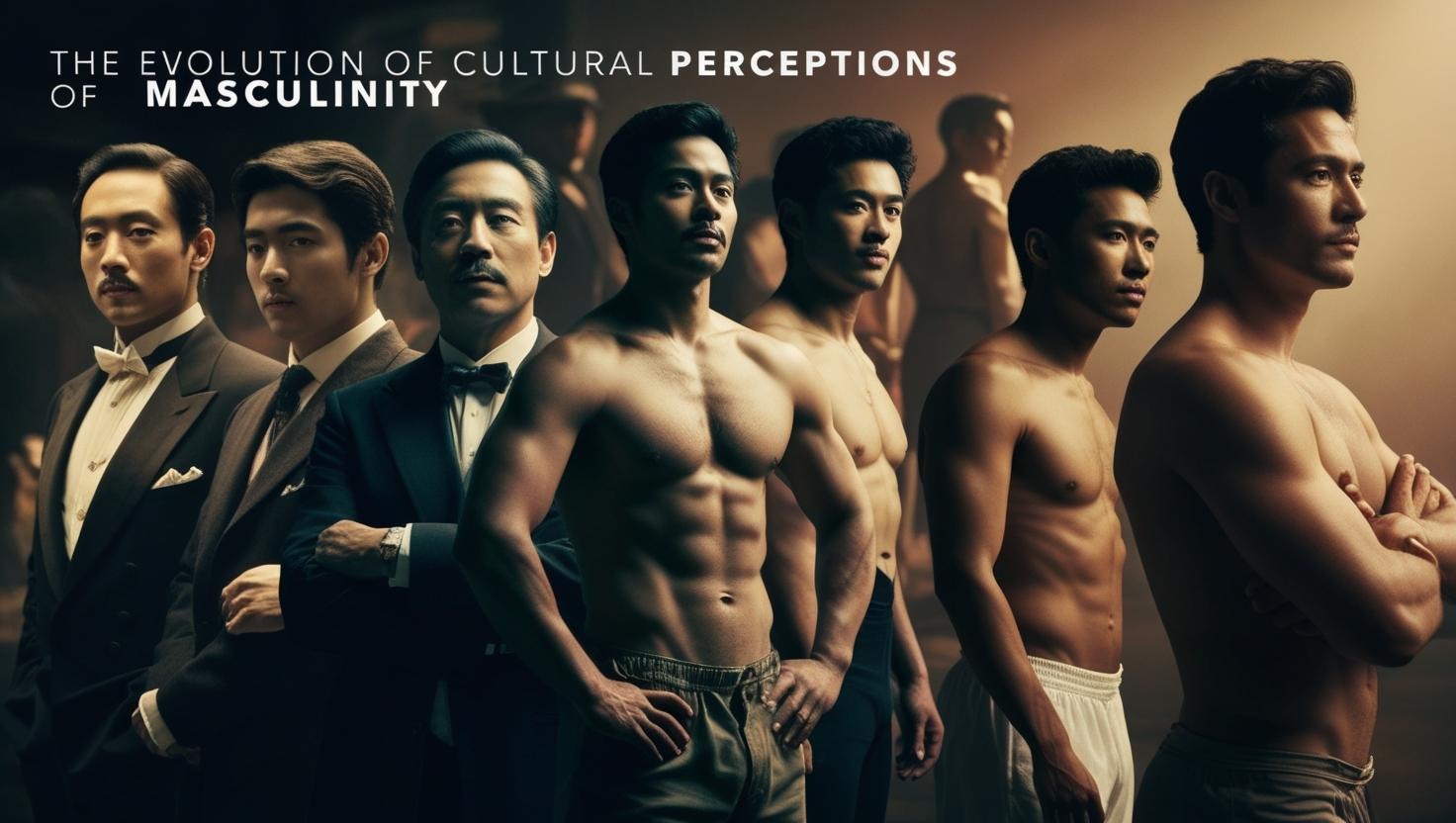
Cultural perceptions of masculinity have evolved significantly over time, influenced by various factors, including media representation and historical context. Understanding these influences is crucial to grasp the complexities of modern masculinity.
Media Portrayal’s Impact on Masculinity
Media plays a pivotal role in shaping societal views of masculinity. Films, television shows, and advertisements frequently depict the archetype of the “alpha male,” portraying strength, dominance, and emotional stoicism.
These portrayals can lead to unrealistic expectations for men. Research indicates that frequent exposure to these images can create a narrow definition of masculinity that values aggression and competitiveness over traits like empathy and cooperation.
Key points about media influence:
Reinforces stereotypes
Shapes behavior and attitudes
Can lead to mental health issues when ideals are unattainable
As a result, men may feel pressured to conform to these idealized images, sometimes at the cost of their well-being and relationships.
Historical Shifts in Masculine Ideals
Masculine ideals have undergone substantial changes throughout history, shaped by cultural events and social movements. For instance, the World Wars challenged traditional views of masculinity, introducing new roles for men and women in society.
The 20th century saw shifts influenced by the civil rights movement and feminist movements. These changes encouraged a re-evaluation of male roles, advocating for vulnerability and emotional expression.
Influential changes included:
The rise of men’s movements emphasizing emotional health
Shifts toward gender equality opening discussions on masculinity
Rejection of outdated ideals like the “stoic provider”
These historical shifts reflect an ongoing evolution in the understanding of what it means to be a man in contemporary society.
Dominance Versus Integrity

In contemporary discussions about masculinity, dominance and integrity emerge as two contrasting ideals. While dominance often captures attention through assertiveness, integrity builds a lasting reputation based on trustworthiness and respect.
The Attraction of Dominance
Dominance appeals through a clear display of confidence and assertiveness. Many associate it with strength and power in social interactions. A dominant individual often commands respect in group dynamics, leading others through decisiveness.
This perception can stem from cultural narratives that celebrate power as a measure of success. Popular figures in media frequently exemplify dominant traits, reinforcing the idea that achieving goals is tied to controlling situations and people.
However, the reliance on dominance can lead to superficial relationships. While it may attract initially, individuals drawn to dominance can find themselves in volatile or unsustainable connections.
Recommended Product: Command respect and exude confidence with the timeless Rolex Submariner or a more affordable alternative, the Seiko Prospex Diver’s Watch.


The Strength of Integrity
Integrity represents a foundation built on honesty, accountability, and ethical behavior. A person of integrity earns respect through consistent actions that align with their values. This approach fosters deeper connections, as others can rely on them for support and truthfulness.
Choosing integrity over dominance often results in long-term benefits. Trust establishes stronger bonds in both personal and professional environments. People appreciate those who prioritize principles over manipulation, enhancing relationships and networks over time.
Integrity encourages personal growth and reflection. Emphasizing it means committing to continuous self-improvement while considering the impact of one’s actions on others. This dedication cultivates a reputation that often endures beyond the momentary allure of dominance.
Psychological Perspectives
Psychological perspectives illuminate how self-concept and emotional health define masculinity. Examining identity and emotional well-being reveals the nuances that shape a true man’s character beyond mere dominance.
Self-Concept and Identity Formation
Self-concept is crucial in shaping how individuals perceive themselves. For many men, societal expectations dictate their identity, often aligning with traditional masculine traits like strength and assertiveness. As they navigate these pressures, they may struggle to form a multifaceted identity.
Research indicates that men who embrace a more comprehensive self-concept experience greater satisfaction. When they integrate qualities such as empathy, vulnerability, and integrity, they create a more resilient identity. This approach encourages personal growth and authentic connections, challenging outdated stereotypes.
Identity formation is a continuous process influenced by both internal and external factors. Positive role models who exemplify a balanced masculinity can significantly impact this development. They offer alternatives to toxic norms, fostering an environment where self-acceptance thrives.
Masculinity and Emotional Health
Emotional health plays a pivotal role in masculine identity. Men often face pressure to suppress emotions, leading to mental health challenges. Research highlights the detrimental impact of emotional suppression, including increased anxiety and depression levels.
Encouraging open emotional expression can positively affect men’s well-being. Engaging in supportive communities allows men to share their feelings in a safe space. These interactions break down harmful stereotypes, promoting a healthier perspective on masculinity.
Moreover, men’s emotional health is linked to their capacity for relationships. Men who embrace emotional intelligence build stronger connections with their partners, friends, and families. This shift towards valuing emotional expression fosters a more holistic understanding of masculinity, integrating both strength and sensitivity.
Social Dynamics and Interpersonal Relationships
Modern masculinity often centers on dominance, but true strength lies in understanding social dynamics. The way individuals interact plays a vital role in establishing meaningful relationships and influence.
The Role of Empathy and Respect
Empathy is essential in building strong interpersonal connections. A man who practices empathy can better understand the feelings and perspectives of others. This understanding fosters trust and respect, key components of healthy relationships.
Respect amplifies this effect. When individuals approach each other with respect, they create an environment conducive to open communication. This encourages collaboration and reduces conflict.
Effective communicators leverage empathy and respect to navigate complex social landscapes, ensuring that interactions are constructive and affirming. As a result, relationships strengthen, leading to personal and professional growth.
Leadership Styles and Influence
Leadership is not solely about authority; it is about how one engages with others. Different leadership styles impact social dynamics significantly.
Transformational leaders inspire and motivate. They seek input and value contributions, which enhances team cohesion. In contrast, authoritarian leaders may instill fear but often stifle collaboration and innovation.
Influence comes from the ability to connect. Men who embody qualities such as integrity and understanding naturally inspire those around them. By building rapport and demonstrating commitment to others’ success, they establish themselves as trusted figures.
This holistic approach to leadership not only aligns with a more balanced view of masculinity but also encourages positive social interactions, fostering deeper connections and mutual respect.
The True Measure of a Man
A true measure of a man extends beyond dominance and stereotypes. It encompasses authenticity, integrity, and the positive impact one has on others. The focus here lies in wholeness and the role of mentorship.
Beyond Stereotypes: Wholeness and Authenticity
A genuine man embraces wholeness, presenting his true self rather than a facade shaped by societal expectations. This authenticity fosters deeper connections with others, enhancing trust and respect.
Being whole means recognizing both strengths and vulnerabilities. A man who can express feelings and acknowledge weaknesses demonstrates emotional intelligence.
It is essential to distinguish between traditional masculinity, which often emphasizes power, and a more rounded approach. The latter allows for qualities like empathy and kindness. This balance leads to more meaningful interactions and enriching relationships, contributing to a person’s overall character.
Mentorship and Legacy
Mentorship is a vital aspect of true masculinity. A man’s influence can extend beyond his immediate actions to shape future generations. By imparting knowledge and values, he establishes a lasting legacy.
Effective mentors demonstrate integrity, offering guidance rooted in genuine care. They empower mentees to develop their own strengths, encouraging personal growth.
A strong legacy focuses on positive contributions. This could include nurturing professionalism, fostering resilience, or promoting ethical behavior. Through mentorship, a man not only enhances his own life but also uplifts those around him, leaving a significant mark on the world.
Integrating Strength and Sensitivity
A modern man embodies both strength and sensitivity. Successfully integrating these traits can lead to a more balanced and fulfilling life. The following explores key aspects of balancing personal and professional commitments, as well as the importance of vulnerability.
Balancing Personal and Professional Life
Achieving balance requires intentional effort in both personal and professional spheres. A man should create boundaries to ensure that one area does not overwhelm the other.
Time Management: Prioritize tasks effectively to allocate time for family, friendships, and self-care.
Flexibility: Adapt work commitments when personal responsibilities arise.
By maintaining this balance, individuals can foster a supportive environment for themselves and others. This approach enhances productivity and promotes well-being, making it easier to be genuinely present.
The Importance of Vulnerability
Vulnerability plays a crucial role in developing authentic connections. Men who embrace vulnerability demonstrate strength by acknowledging their emotions and experiences.
Openness: Sharing feelings encourages deeper relationships.
Empathy: Being vulnerable allows men to relate more deeply to others’ struggles and triumphs.
This quality helps dismantle toxic masculinity stereotypes that equate strength with emotional suppression. By showing vulnerability, men can inspire others to embrace their authentic selves, fostering a culture of support and understanding.
Conclusion
The contrast between the Alpha and the Gentleman highlights essential aspects of modern masculinity. While dominance often garners attention, true strength arises from integrity and respect for others.
Key Differences:
Alpha Traits: Dominance, aggression, competition.
Gentleman Traits: Respect, empathy, integrity.
Choosing to embody the qualities of a Gentleman fosters a healthier approach to masculinity. This perspective values emotional intelligence and connection over mere power dynamics.
Men who prioritize integrity build lasting relationships. They inspire trust and loyalty in both personal and professional environments.
Ultimately, modern masculinity should embrace a balance. This balance integrates assertiveness with kindness, creating more effective leaders and partners.
Recognizing the importance of character cultivates a more inclusive view of manhood. A true man is defined not by his dominance but by his actions and values.
Affiliate Disclosure: As an Amazon Associate, I earn from qualifying purchases. This helps support the blog and allows me to continue providing helpful content. I only recommend products I genuinely believe in and that are relevant to your fitness journey. Thank you for supporting The Right Man Mindset.