Introduction
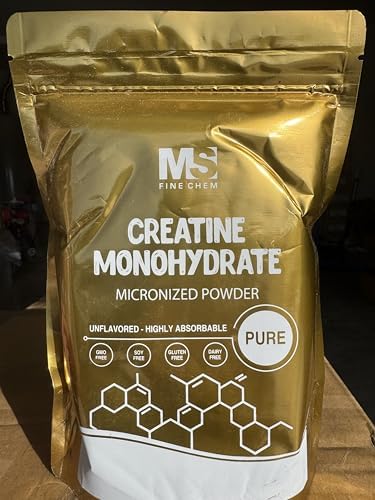
If you’ve been exploring supplements to support strength, performance or recovery, creatine monohydrate often comes up as one of the most researched options. This article walks you through what creatine monohydrate is, its proven benefits, how to use it effectively, and important safety disclosures you need to know. Whether you’re a regular gym‑goer, aging adult, or just curious about muscle health — this guide has you covered.
What is Creatine Monohydrate?
Creatine is a naturally‑occurring compound in the body, produced in the liver, kidneys and pancreas; it’s also obtained through dietary sources like red meat and seafood. Cleveland Clinic+2Mayo Clinic+2
The form “monohydrate” refers to the most common supplemental version: Creatine bound with a molecule of water.
In muscle cells, creatine is converted to phosphocreatine which helps regenerate ATP, the primary energy currency for short, intense bursts of activity. Healthline+1
Because of its role in energy production and muscle physiology, creatine monohydrate has been widely studied and used in sports nutrition and beyond.
Key Benefits of Creatine Monohydrate
1. Enhanced Strength & Power for High‑Intensity Exercise
Creatine supplementation helps increase phosphocreatine stores in muscles, allowing you to regenerate ATP quicker and sustain high‑intensity efforts for longer. Healthline+1
If you perform activities like weight‑lifting, sprinting or jumping, creatine has been shown to yield measurable improvements in performance. Mayo Clinic
2. Improved Muscle Growth (When Paired With Resistance Training)
While creatine alone doesn’t build muscle without training, when combined with resistance exercise and adequate nutrition it can accelerate gains in lean muscle mass. Healthline+1
It also supports improved training volume (more reps or sets) due to enhanced energy availability.
3. Better Recovery & Reduced Fatigue
Evidence suggests creatine may support recovery after strenuous exercise, and reduce feelings of fatigue, especially during demanding training or when sleep is limited. Healthline+1
4. Potential Cognitive & Brain Health Benefits
Emerging research indicates that creatine may benefit brain function, particularly in conditions of stress, sleep‑deprivation or when dietary intake of creatine is low (e.g., vegetarians/vegans). Healthline+1
Though more investigation is needed, this is a promising area beyond pure athletic performance.
5. Support for Aging Adults & Women’s Health
For older adults who may experience muscle loss (sarcopenia), creatine supplementation when combined with resistance training has shown favorable outcomes in preserving muscle and strength. Verywell Health+1
Women may also benefit, particularly during hormonal transitions (menopause/post‑menopause), from improved bone density support and muscle strength. Verywell Health
How to Use Creatine Monohydrate – Practical Guide

Although research protocols vary, here’s a widely accepted approach:
- Daily Maintenance Dose: 3 to 5 g per day is effective for most adults. Healthline+1
- Loading Phase (Optional): Some choose to take ~20 g/day split over 5‑7 days to “saturate” muscle stores quickly, then switch to maintenance. However, the loading phase may increase initial side‑effects and isn’t strictly necessary. Verywell Health+1
- When to Take: Creatine can be taken anytime, but taking it close to your workout or with a carbohydrate or protein source may enhance uptake.
- Hydration: Ensure adequate water intake, since creatine draws water into muscle cells.
- Combine With Training: For optimal results, pair creatine supplementation with consistent resistance or high‑intensity training, and ensure overall good nutrition.
Safety, Side‑Effects & Disclosures
Who should consult a healthcare provider before using creatine?
- Individuals with kidney disease or reduced kidney function — although creatine is generally safe in healthy people, those with existing renal concerns should proceed with caution. Mayo Clinic+1
- People who are pregnant or breastfeeding, children/adolescents, or those with other serious medical conditions — research is more limited in these groups. Cleveland Clinic+1
- Those taking medications or with conditions that may interact with creatine (e.g., affecting fluid balance, renal perfusion).
Common Side‑Effects
- Water retention / weight gain (typically water in muscle) — this can be misleading as “fat gain” but is usually benign. Verywell Health+1
- Gastrointestinal discomfort including bloating or stomach upset — more likely if large single doses are taken. UCLA Health
- Potential interaction with high doses of caffeine — some evidence suggests caffeine may reduce the efficacy of creatine. Mayo Clinic
Quality & Regulation Disclosures
- Dietary supplements in many jurisdictions (including the US) are not regulated as strictly as prescription medications. It’s important to choose products from reputable brands that undergo third‑party testing for purity and label accuracy. Mayo Clinic+1
- The evidence for creatine is strongest for healthy adults using the standard maintenance dose. Benefits in special populations or with exotic dosing protocols are less well‑established.
Limitations of the Evidence
- While creatine is one of the most studied supplements, benefits may vary by individual based on age, diet, muscle mass, training status and baseline creatine levels.
- Some research suggests that vegetarians or those with low dietary creatine may see bigger gains. Healthline
- The benefits for purely aerobic endurance sports (long‐duration, low intensity) are less consistent. Wikipedia+1
Bottom Line
Creatine monohydrate is a well‑researched, effective, and affordable supplement for improving high‑intensity performance, supporting lean muscle growth (when paired with resistance training), and potentially aiding cognitive and aging‑related outcomes. For healthy adults, a dose of 3–5 g per day is generally safe when combined with proper hydration and training.
However, it is not a magic bullet. The foundation remains: solid nutrition, consistent training, adequate sleep and recovery. Always check with your healthcare provider before beginning supplementation, especially if you have underlying health conditions.
Frequently Asked Questions (FAQs)
Q: Do I have to “load” creatine for it to work?
A: No, the loading phase (≈20 g/day for 5‑7 days) is optional. A regular dose of 3–5 g/day will eventually saturate muscle stores — it just may take a little longer.
Q: Will I gain weight if I take creatine?
A: You may notice weight gain — typically due to water retention inside muscle cells, not fat. This tends to stabilize once the muscles’ creatine stores are full.
Q: Can women use creatine?
A: Yes. Women can benefit from creatine supplementation — for strength, muscle and bone health, especially during hormonal transitions. Verywell Health
Q: Is creatine safe long‑term?
A: Research in healthy adults shows creatine use at standard doses is generally safe for up to 5 years. Mayo Clinic Still, ongoing monitoring and consultation with a healthcare provider is always wise.
⚠️ Disclaimer
I am not a doctor, medical professional, or licensed nutritionist. The content in this article is for informational and educational purposes only and does not constitute medical advice, diagnosis, or treatment. Always consult with a qualified healthcare provider before beginning any supplement, especially if you are taking medication, have a medical condition, or are pregnant or breastfeeding. Use of any supplement, including creatine monohydrate, should be based on your own informed decisions in consultation with a medical professional.
Affiliate Disclosure: As an Amazon Associate, I earn from qualifying purchases. This post contains affiliate links, which means if you click and make a purchase, I may receive a small commission at no extra cost to you. I only recommend products I personally use or believe add real value. Thank you for supporting The Right Man Mindset.